
Homemade dog treat essentials: my favorite tools
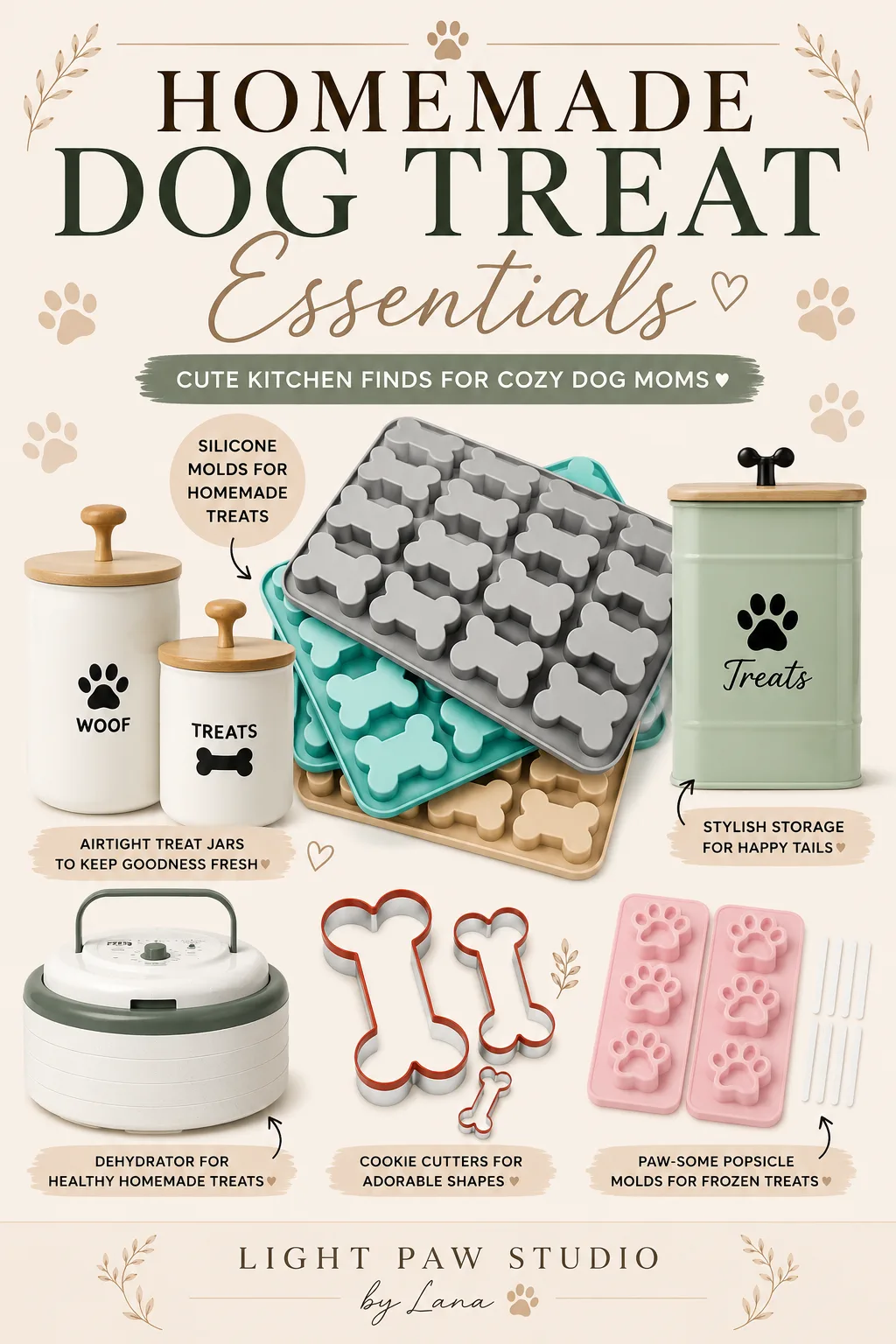
A few simple kitchen tools can make homemade treats easier, more enjoyable and a lot less messy. These are the ones I actually reach for.
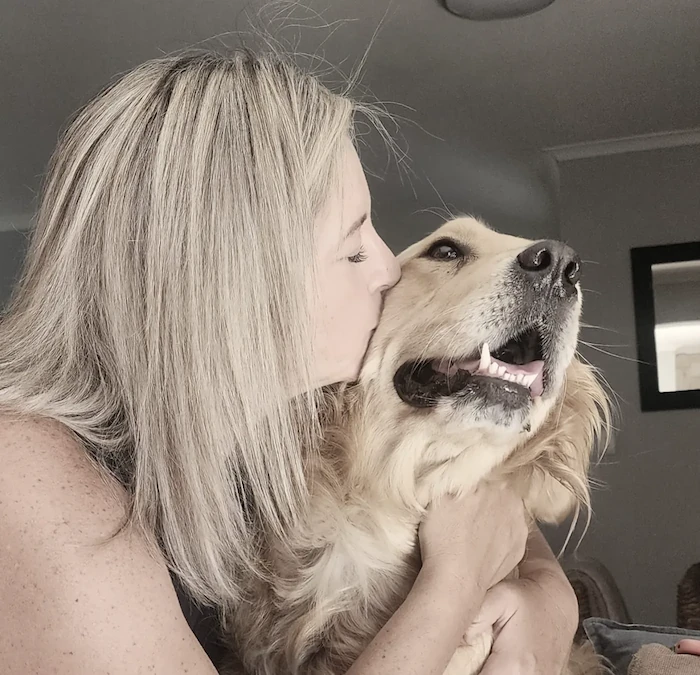
When Lana hears the freezer door open, she appears almost instantly. It doesn't matter where she was a moment ago, sleeping on the couch or watching birds in the garden. The second she thinks a homemade treat might be involved, she's standing beside me with those hopeful golden retriever eyes.
Over the years, I've discovered that making homemade dog treats doesn't need to be complicated. A few simple kitchen tools can make the process easier, more enjoyable and a lot less messy. If you're thinking about making treats for your own dog, these are some of my favourite essentials to keep on hand.
In this guide you'll discover
This post contains affiliate links. I may earn a small commission if you purchase through them, at no extra cost to you. I only ever share things I genuinely love. Read my full affiliate disclosure.
Simple ingredients, happy dogs, and a little peace of mind for you, that's why it's worth the effort.
No mystery additives, just real, simple food.
Easy to tailor for dogs with sensitivities or allergies.
Baking together is a small ritual worth having.
There's something special about making treats just for them.
Before we get to the recipes, these are the tools that make homemade treat-making feel easy instead of messy.
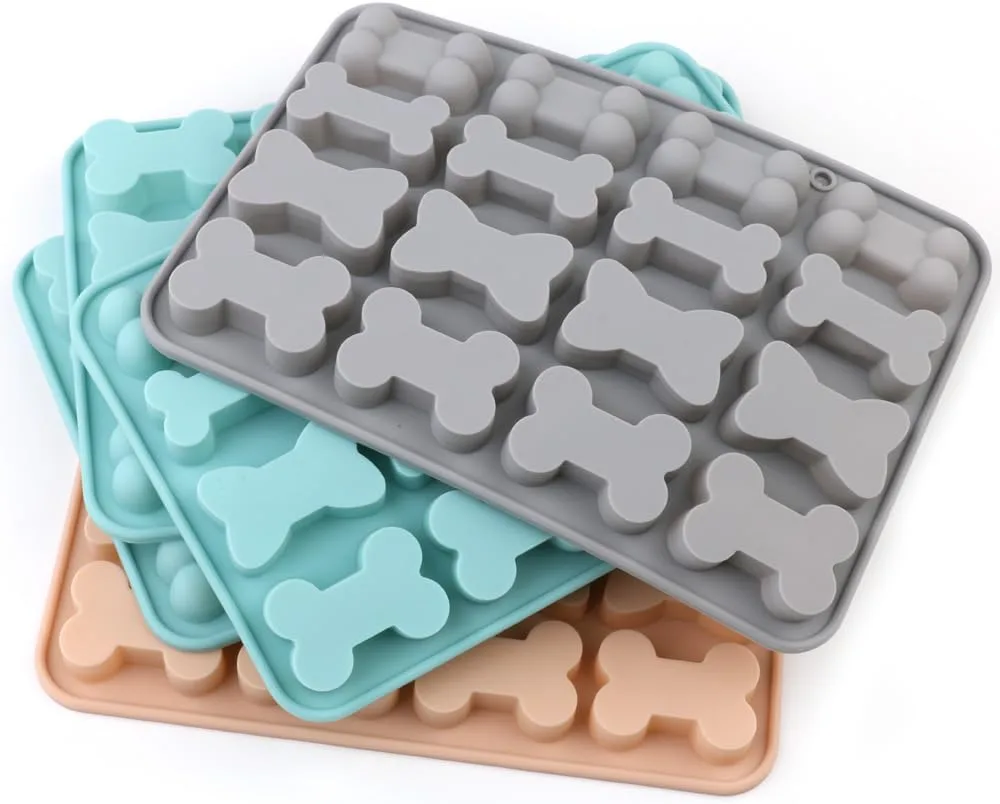
Silicone Treat Molds
Food-grade silicone, easy to fill and easy to pop out.
View on Amazon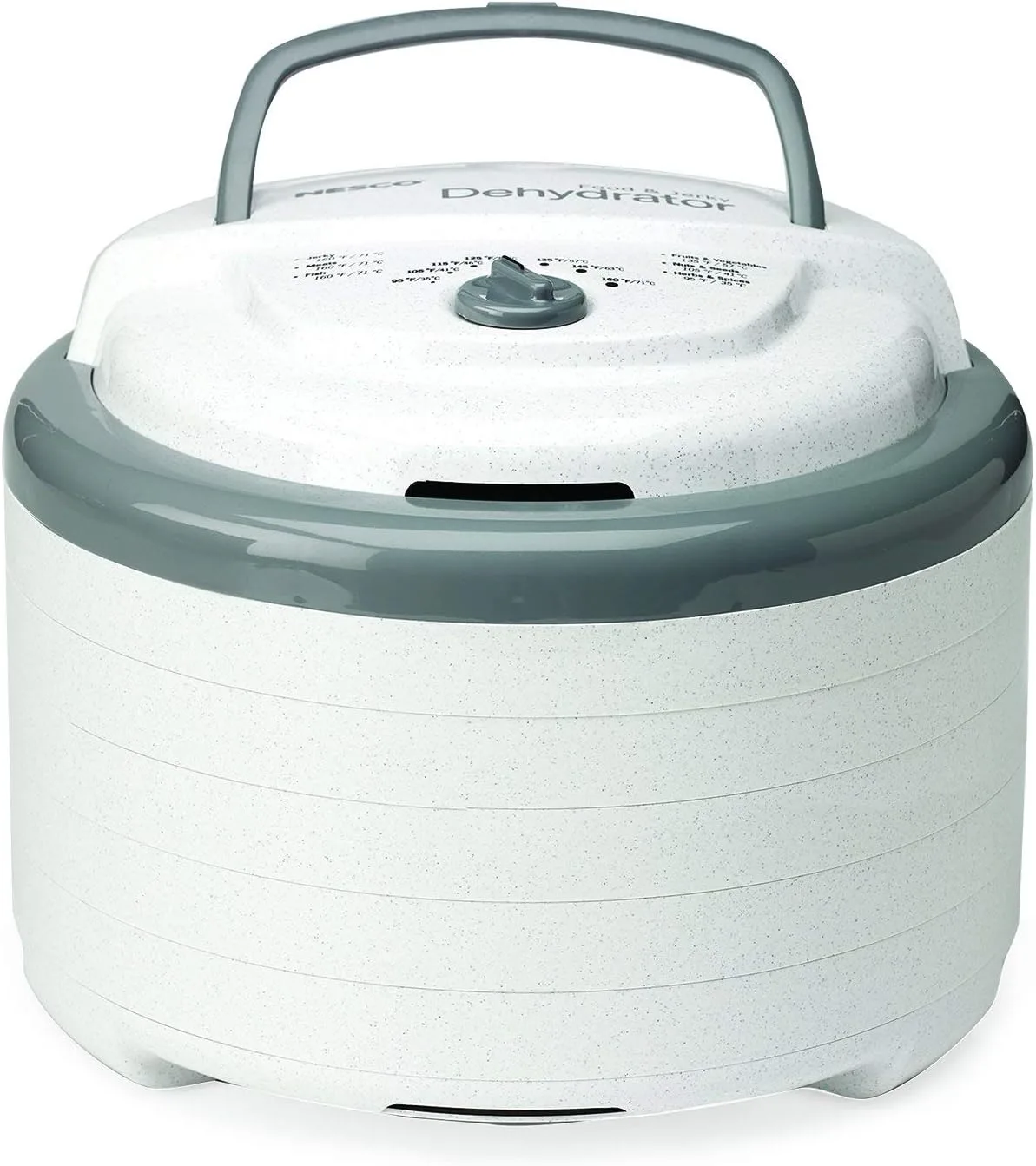
A Dehydrator for Natural Treats
Turns meat and veg into chewy, long-lasting jerky treats.
View on Amazon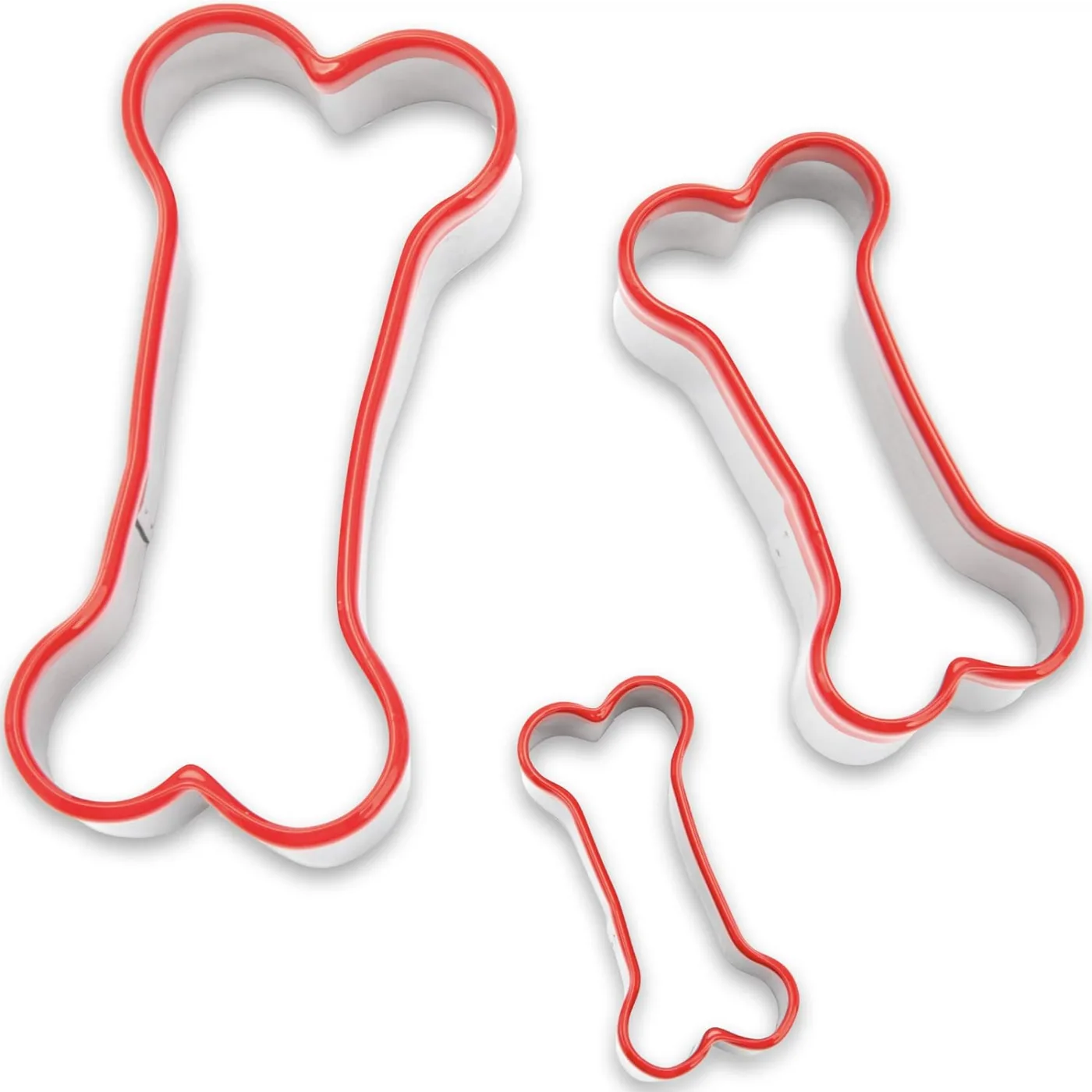
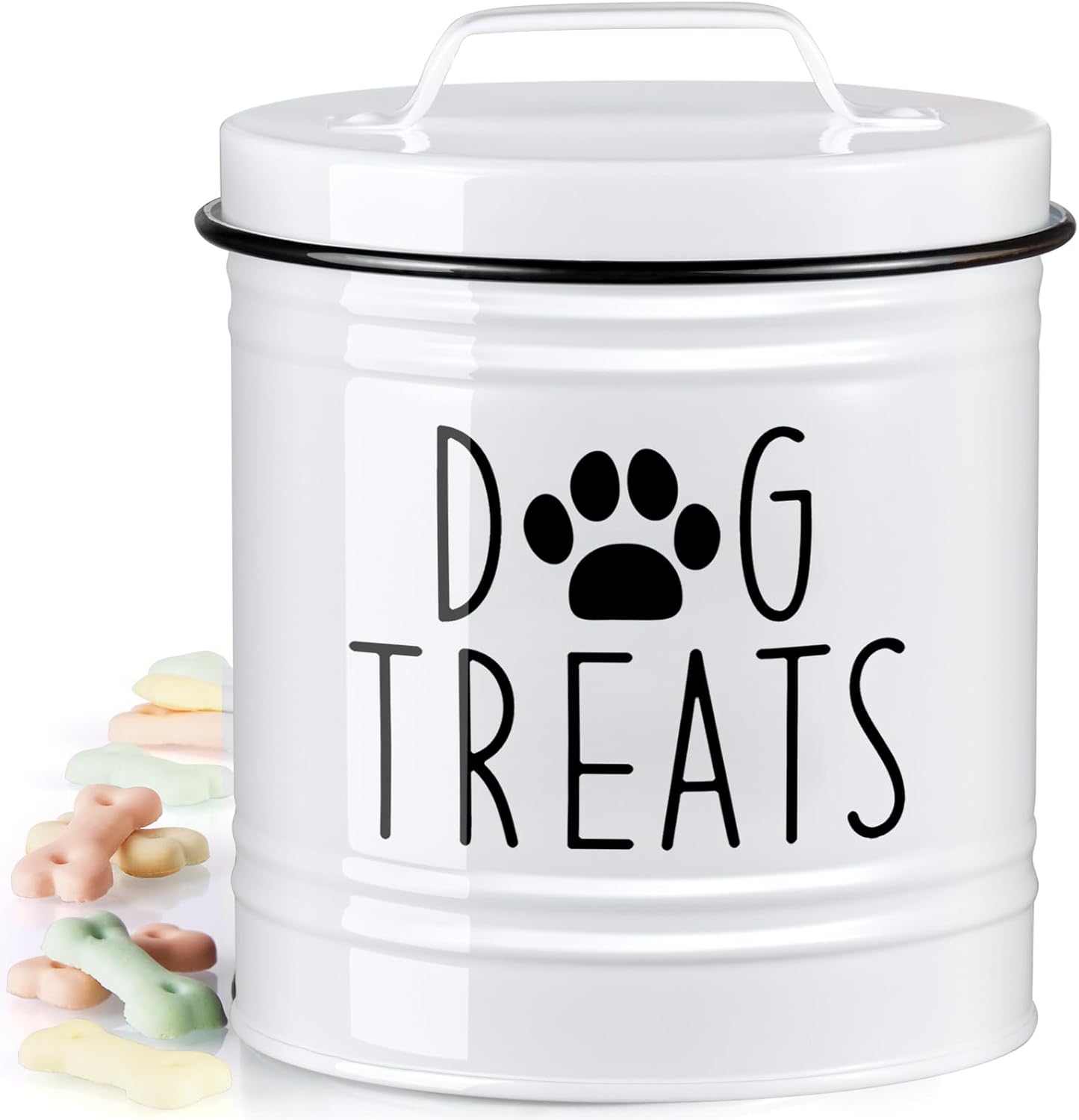
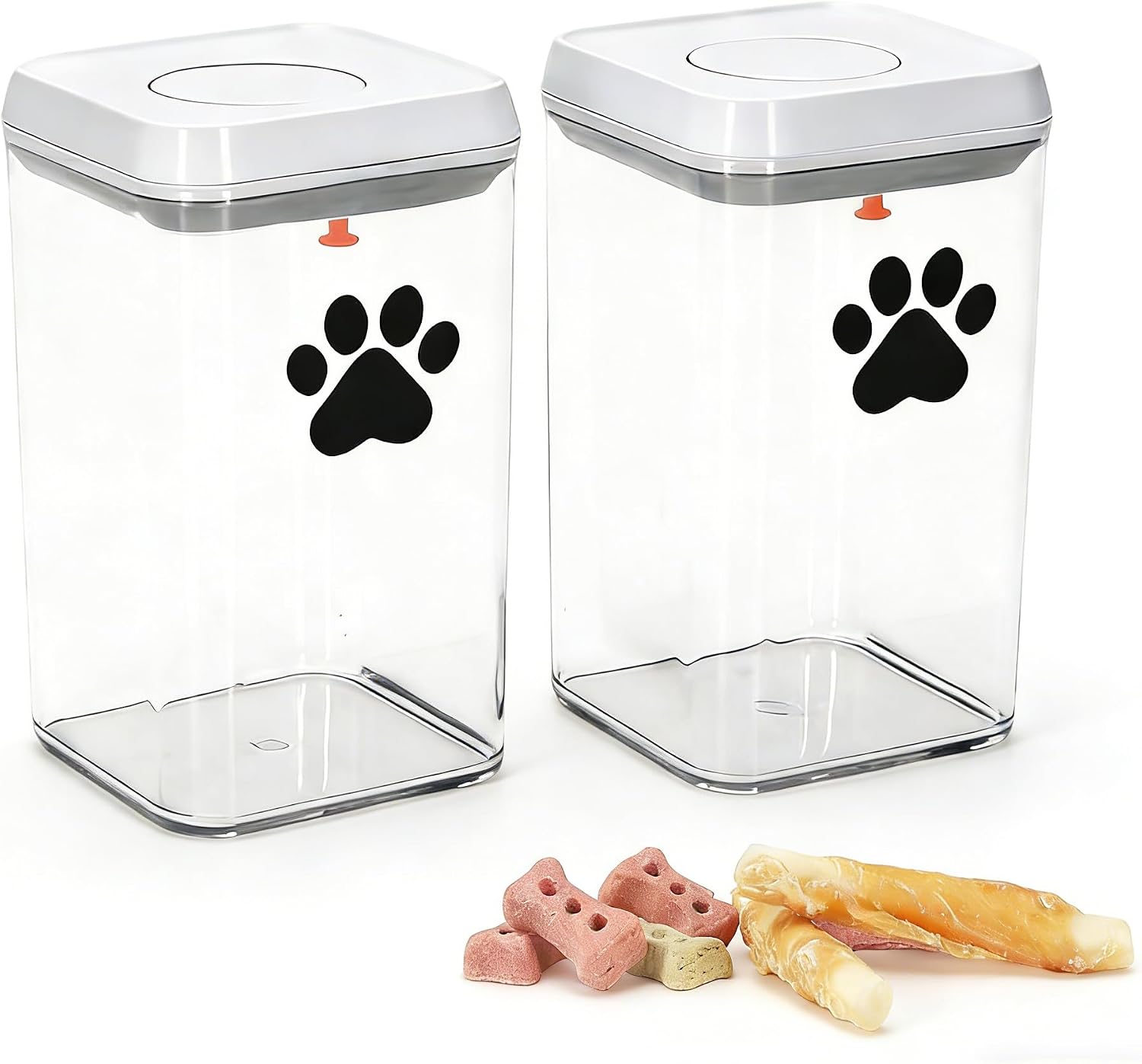
Airtight storage bins
Clear, stackable, and keeps treats crisp for longer.
View on Amazon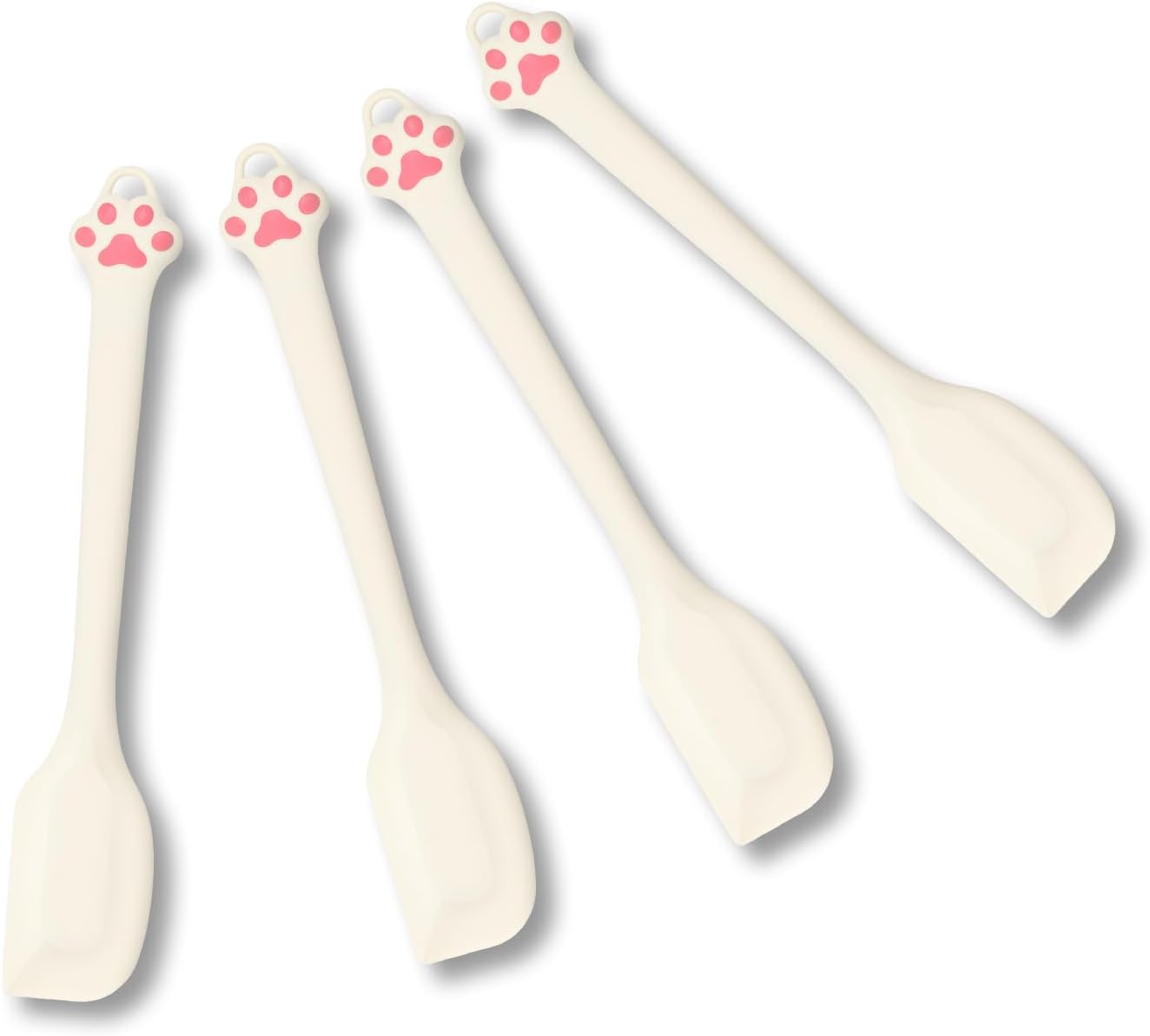
Paw print spatulas
A cute set for scraping every bit of dough from the bowl.
View on Amazon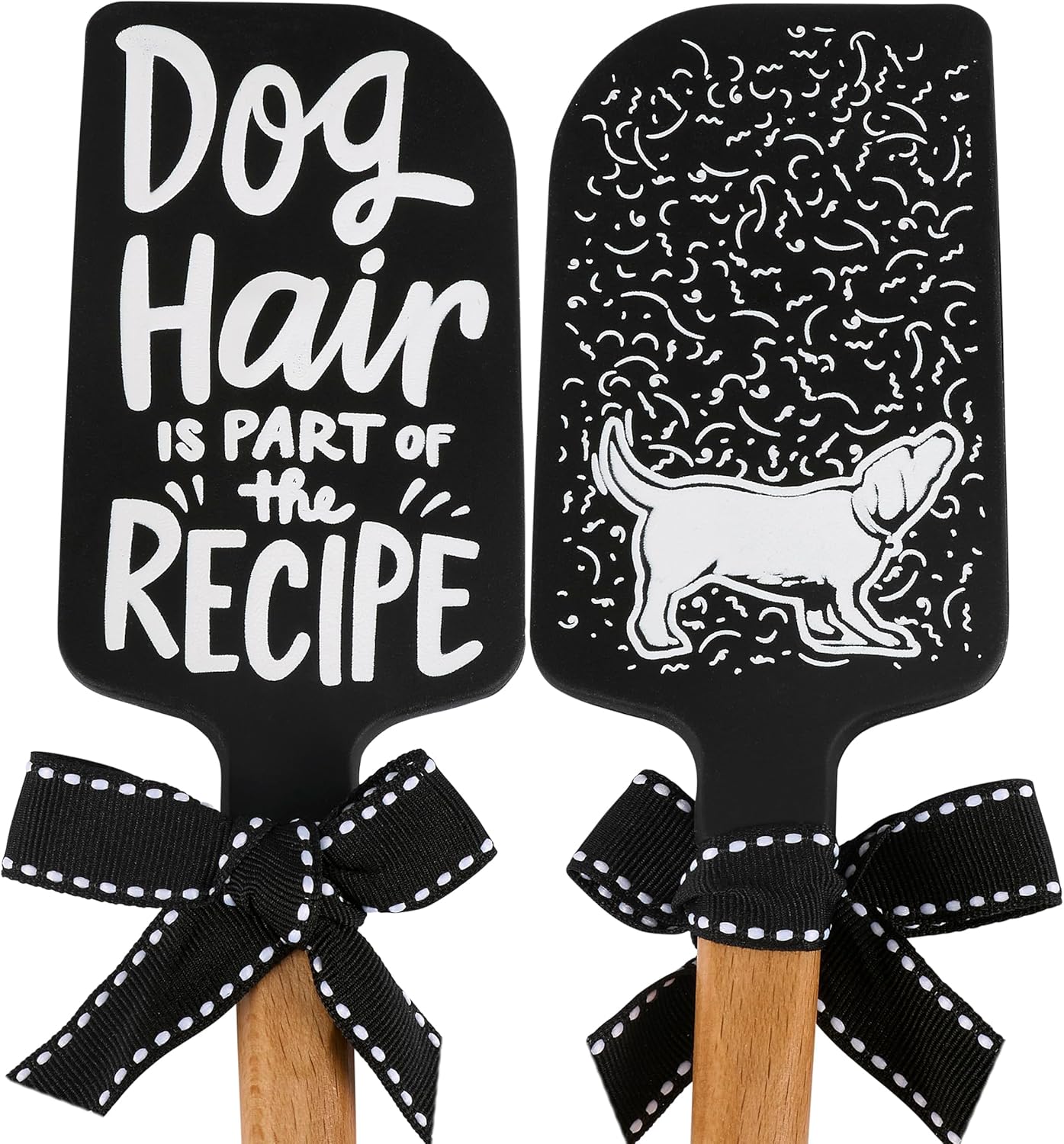
"Dog Hair Is Part of the Recipe"
A playful spatula every dog-treat baker will appreciate.
View on Amazon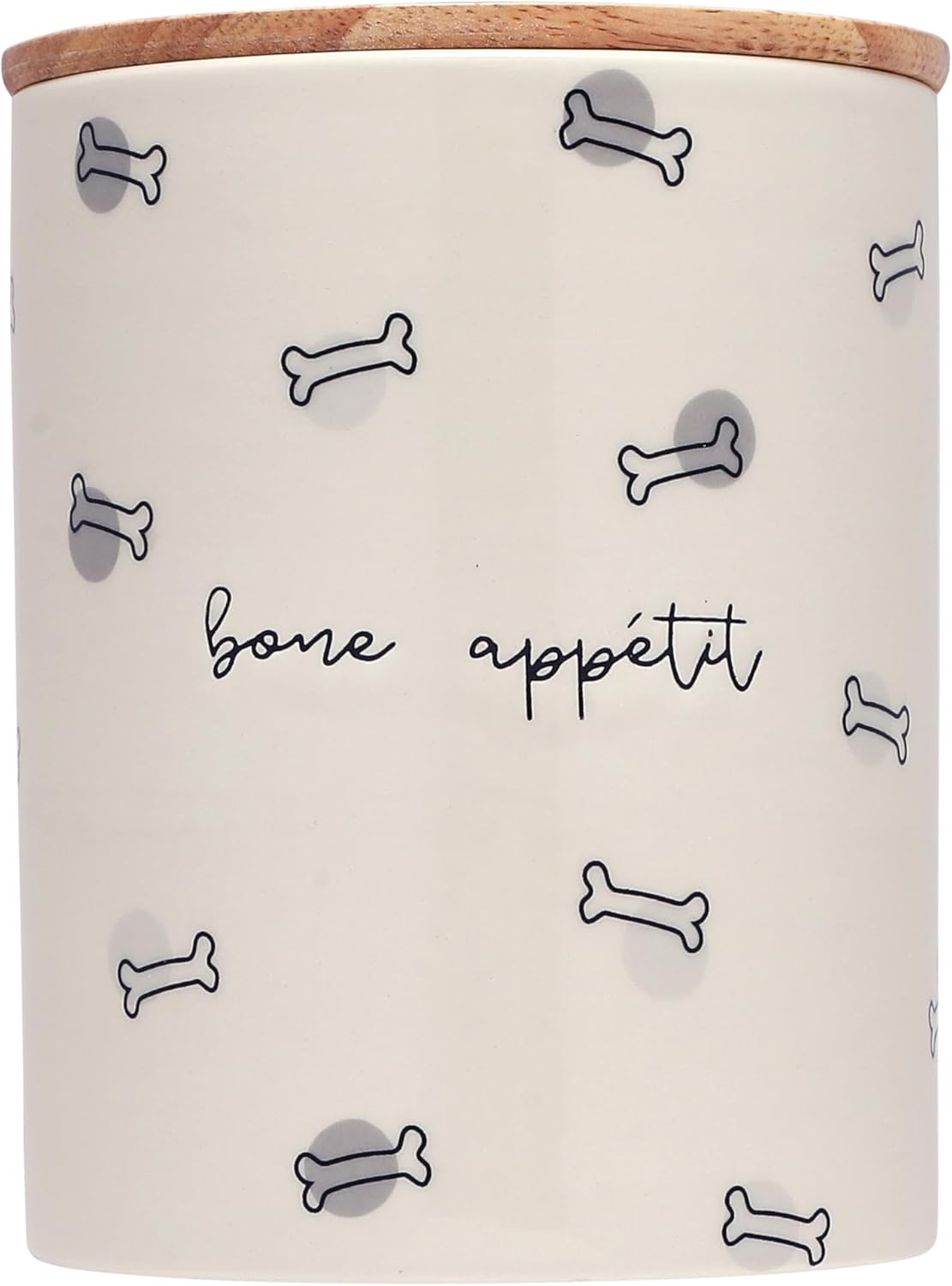
"Bone Appétit" jar
A charming ceramic jar with a wooden lid for the counter.
View on Amazon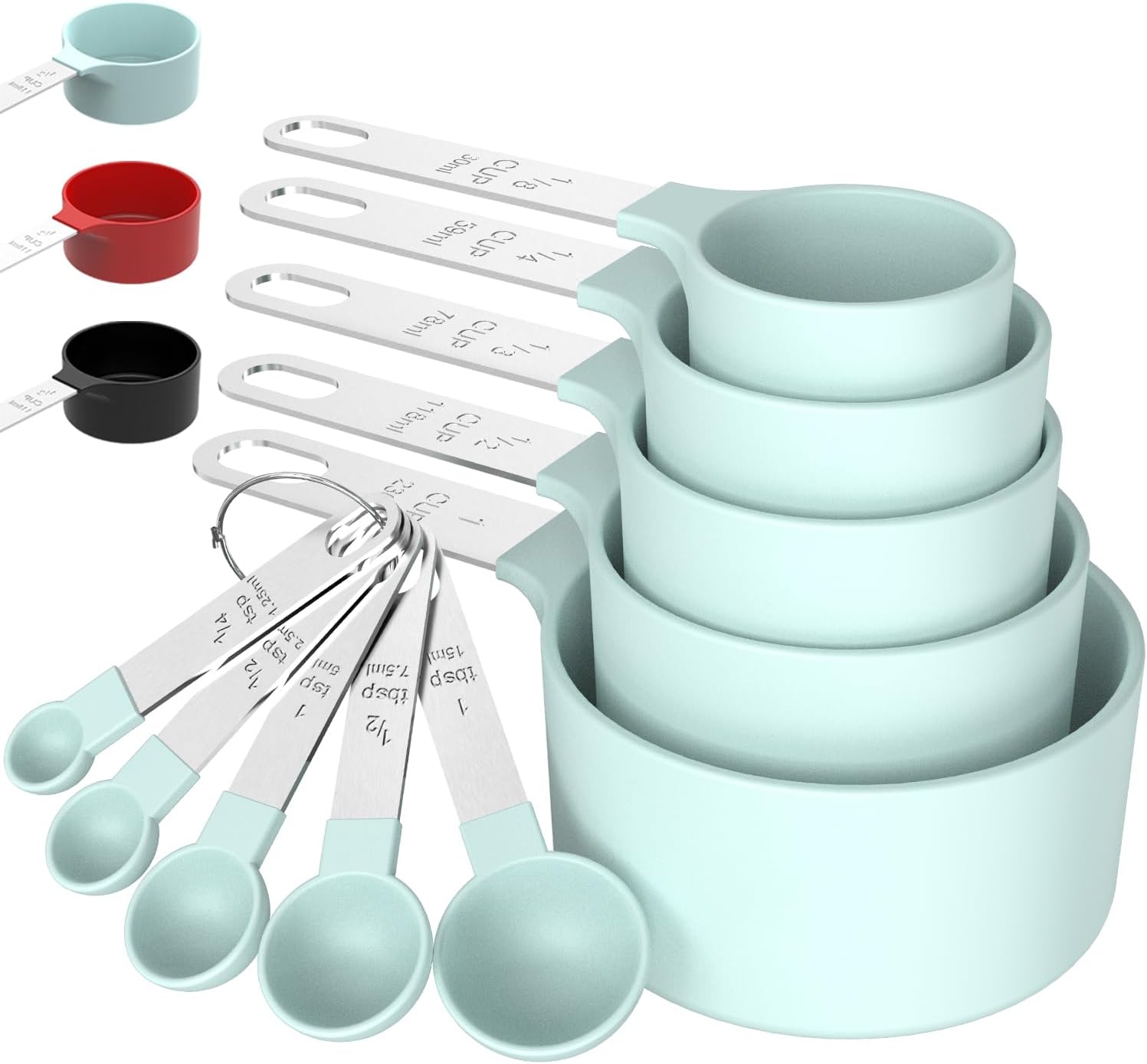
Measuring cups & spoons
A stackable set that makes precise recipes simple.
View on Amazon
Home Cooking for Your Dog
75 holistic recipes if you want to go beyond treats into full meals.
View on AmazonIf you're just starting, buy these first
Skip the rest of the list for now. These three cover almost everything in this guide.
The best treat is one you made yourself, with good ingredients, a little patience, and someone very excited waiting by the kitchen.From Life With Lana ♡

- 1Start with simple recipes.
Three ingredients or fewer is plenty for your first batch. - 2Introduce new ingredients slowly.
One at a time, so you'll know exactly what agrees with your dog. - 3Always use xylitol-free peanut butter.
Check the label every time, even on a brand you trust. - 4Freeze in small portions.
Bite-sized pieces are easier to portion and thaw only what you need. - 5Store treats correctly.
An airtight jar or freezer bag keeps everything fresher for longer.
Making your own dog treats doesn't have to be a production. It can be quiet and simple: a bit of time on a Sunday afternoon, a handful of good ingredients, and a dog who somehow always knows something exciting is happening in the kitchen.
The tools are the thing that makes it sustainable. When your molds are easy to use, your jars are beautiful on the counter, and your cookie cutters are right where you can find them, the whole process becomes something you actually look forward to. That's the point of having the right kit.
If you try any of these finds, I'd love to hear how you get on. Drop me a note on @lana.thegoldenretriever on Instagram, Lana's the best taste-tester I know.
Good to know
A few extra questions, in case you're curious.
Are silicone molds safe for making dog treats?
Yes, food-grade silicone molds are completely safe for making dog treats. They are non-toxic, heat-resistant, easy to clean and flexible enough to release treats without breaking them. Always check that the mold is labelled food-grade before use, and avoid any with strong plastic smells, which may indicate lower-quality materials.
What is the easiest homemade dog treat to start with?
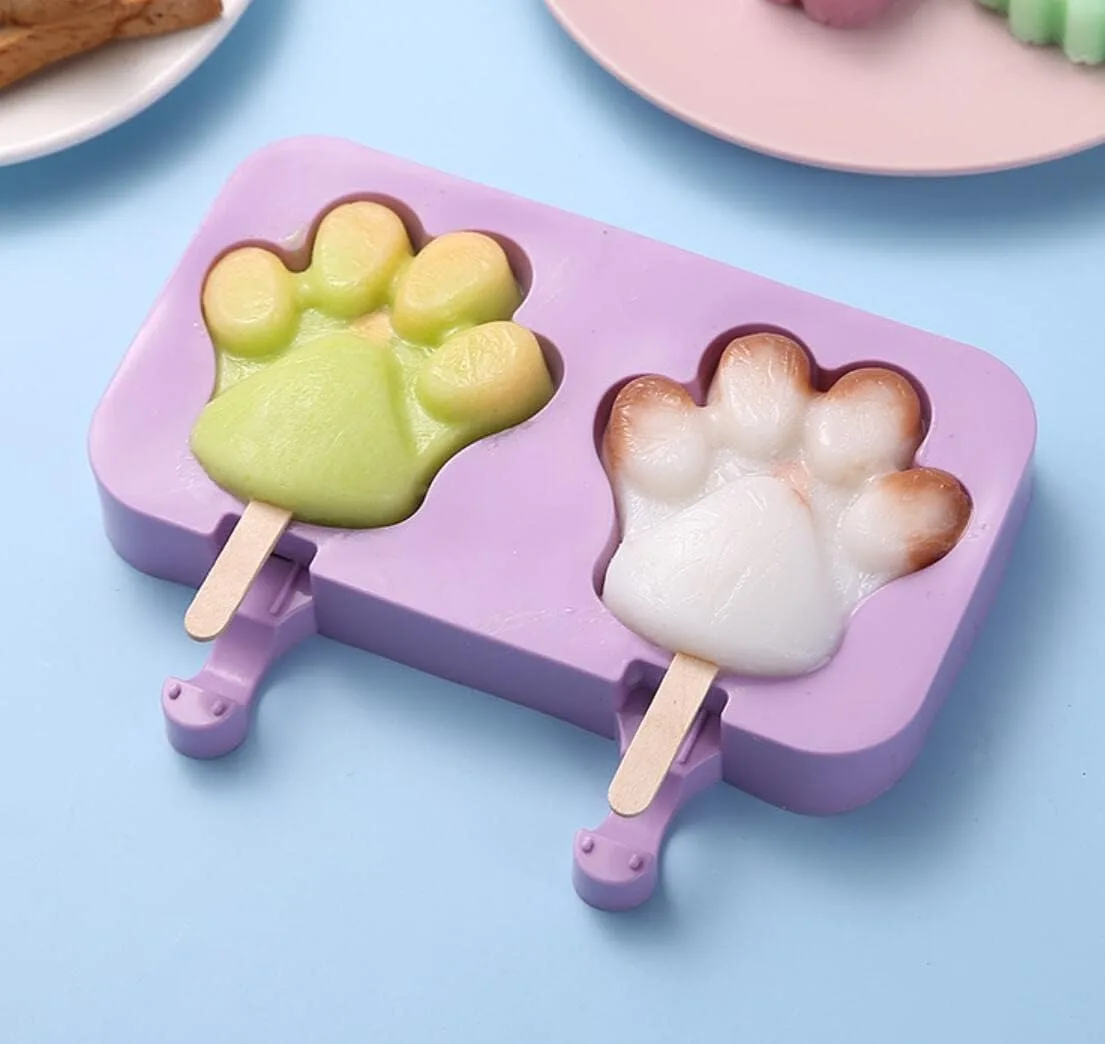
Frozen treats are the easiest place to start. Simply blend peanut butter (xylitol-free), banana or plain yoghurt, pour into a silicone mold and freeze for a few hours. No baking, no special equipment, no fuss, just something your dog will absolutely love, especially in warmer months.
How long do homemade dog treats last?
Baked treats stored in an airtight jar at room temperature last up to one week. In the fridge they keep for two to three weeks. Frozen treats keep well for up to three months in the freezer. Using a proper airtight jar makes a significant difference to freshness, the cute ceramic jars in this list do the job beautifully.
Do I need a food dehydrator for homemade dog treats?
Not at all. A dehydrator is a wonderful tool to have, but most homemade dog treats are either baked in a regular oven or frozen. A dehydrator is especially useful for making jerky-style treats from meat or sweet potato, which have a longer shelf life and a chewy texture dogs tend to love, but it is absolutely not a starting requirement.
What ingredients should I avoid in homemade dog treats?
Always avoid xylitol (found in some nut butters), grapes, raisins, chocolate, onion, garlic and macadamia nuts, all toxic to dogs. Stick to dog-safe staples like oats, banana, plain pumpkin, peanut butter (xylitol-free), sweet potato and plain yoghurt. When in doubt, a quick search or a chat with your vet will confirm whether an ingredient is safe.
Can puppies eat homemade treats?
Yes, as long as the ingredients are simple and appropriate for their age. Keep portions small, avoid anything hard that could be a choking risk, and introduce one new ingredient at a time so you can watch for any reaction.
Can I freeze homemade dog treats?
Absolutely, freezing is one of the easiest ways to make treats last. Most frozen bites and popsicles keep well for up to three months. Just portion them before freezing so you can grab one at a time.
How often should I give homemade treats?
Treats, homemade or store-bought, should stay a small part of your dog's daily food intake, generally no more than about 10%. A treat or two a day alongside a balanced diet is a good rule of thumb.
Are oats safe for dogs?
Yes, plain rolled oats are a gentle, fibre-rich ingredient that many dogs tolerate well. Cook them plain with no added sugar or flavouring, or blend into flour for baking.
Can dogs eat Greek yoghurt?
Plain, unsweetened Greek yoghurt is a great source of protein and probiotics for most dogs. Avoid any yoghurt with added sugar, artificial sweeteners or xylitol, and introduce it slowly if your dog hasn't had dairy before.
Can homemade dog treats replace regular treats?
They can, many owners use homemade treats as their dog's main treat entirely. Just make sure they still fit within your dog's overall calorie needs, and check with your vet if your dog has specific dietary requirements.
What is the healthiest homemade dog treat?
Simple recipes with one or two whole-food ingredients tend to be the healthiest, think plain pumpkin, or plain yoghurt with a few blueberries. No added sugar, salt or fillers, just real food your dog's body knows how to use.
You might also love
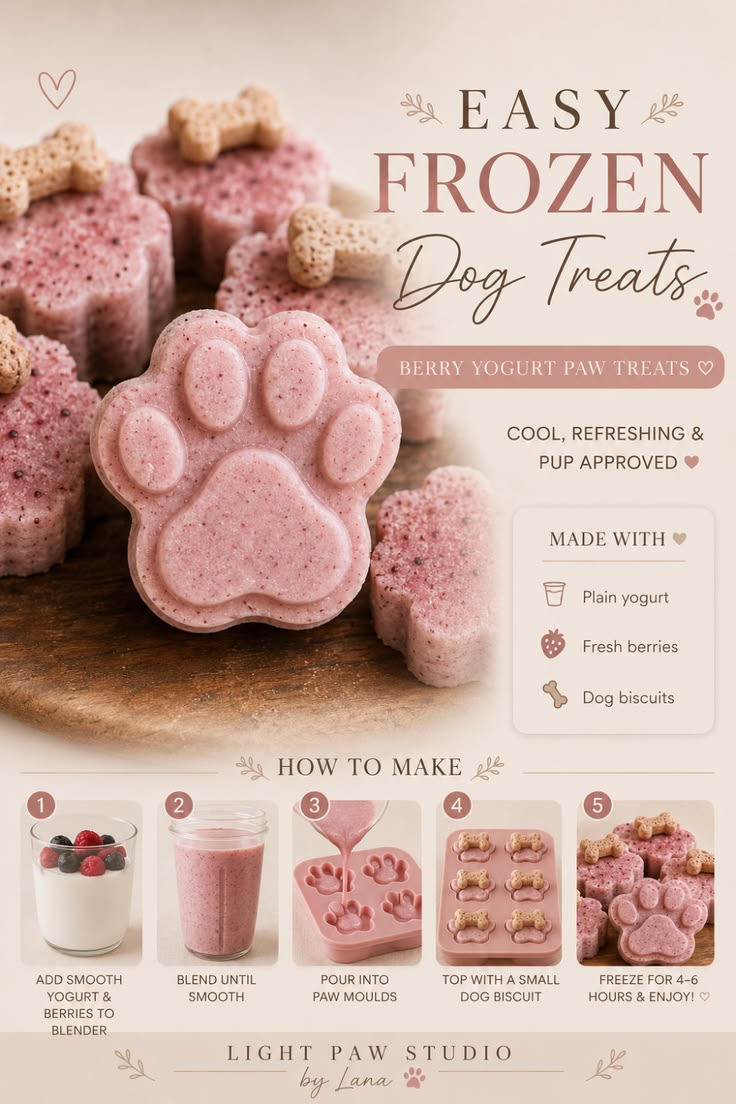
Frozen yoghurt dog treats
Three easy recipes your dog will beg for, perfect for warm days and cozy afternoons.
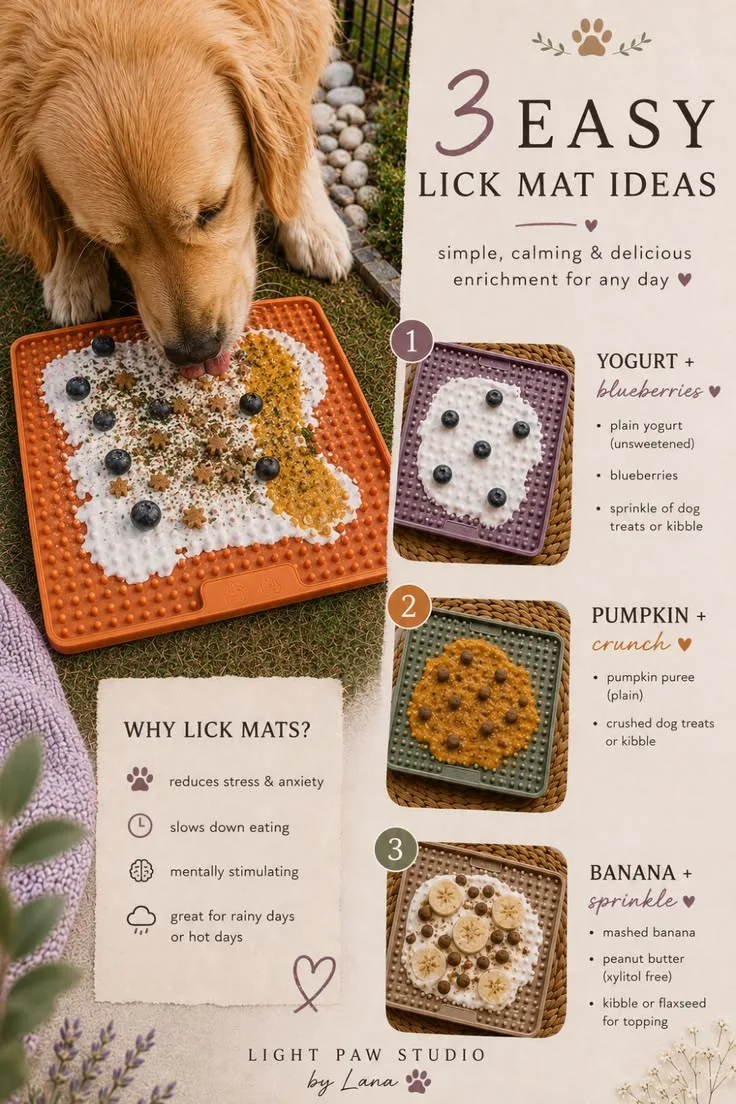
Lick mat recipes for dogs
Simple spreads and toppings that turn a lick mat into the best part of your dog's day.
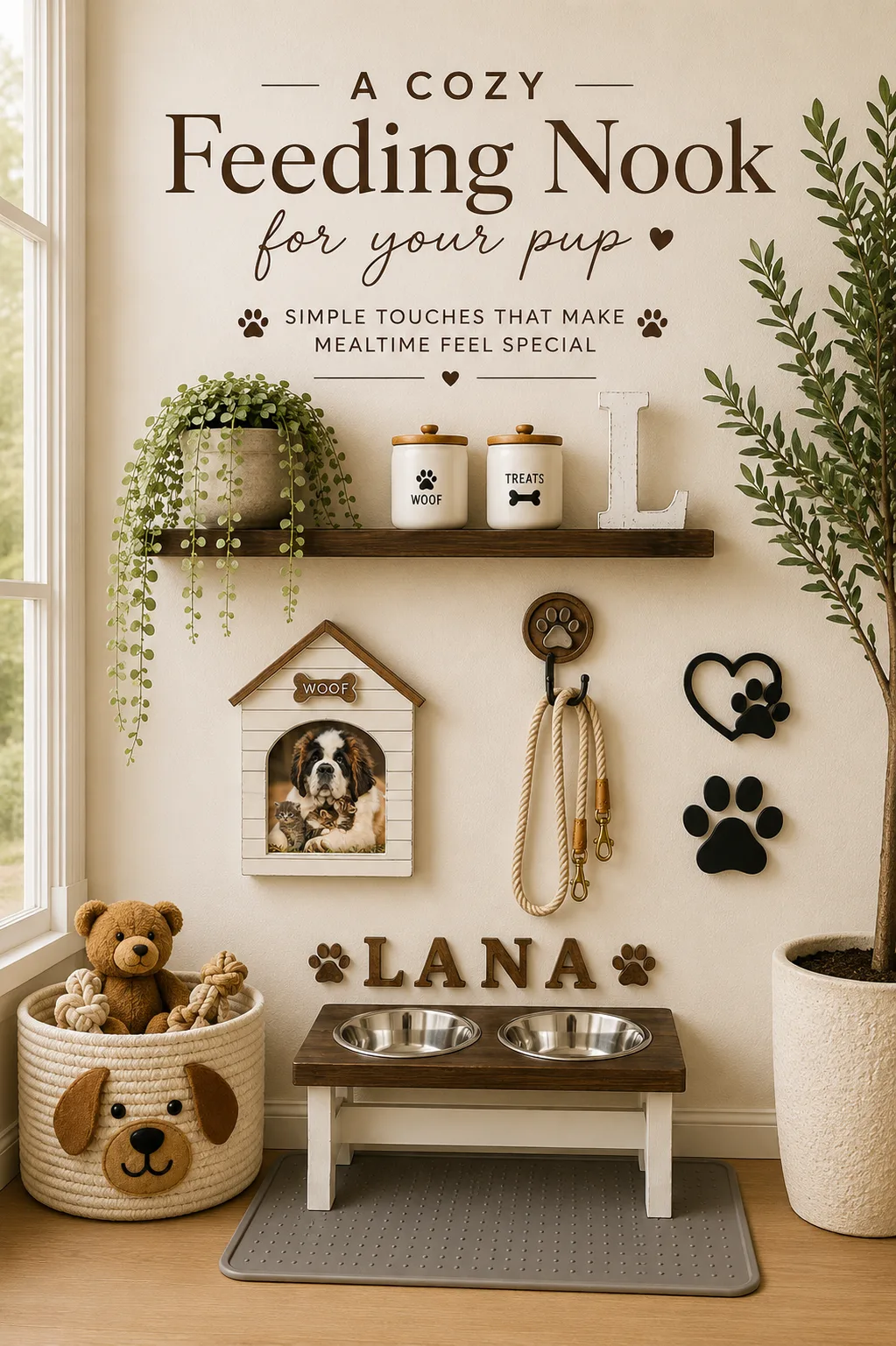
Cozy dog feeding nook ideas
A beautiful mealtime corner your dog will love, and you'll love looking at.