
Puppy Crate Training Essentials
for calmer first nightsIf you're setting up for a new puppy, getting the crate right from day one makes everything easier. Here are the essentials that actually help, and why crate training matters more than most people realise.
See the simple setup ↓
What I wanted the crate to become
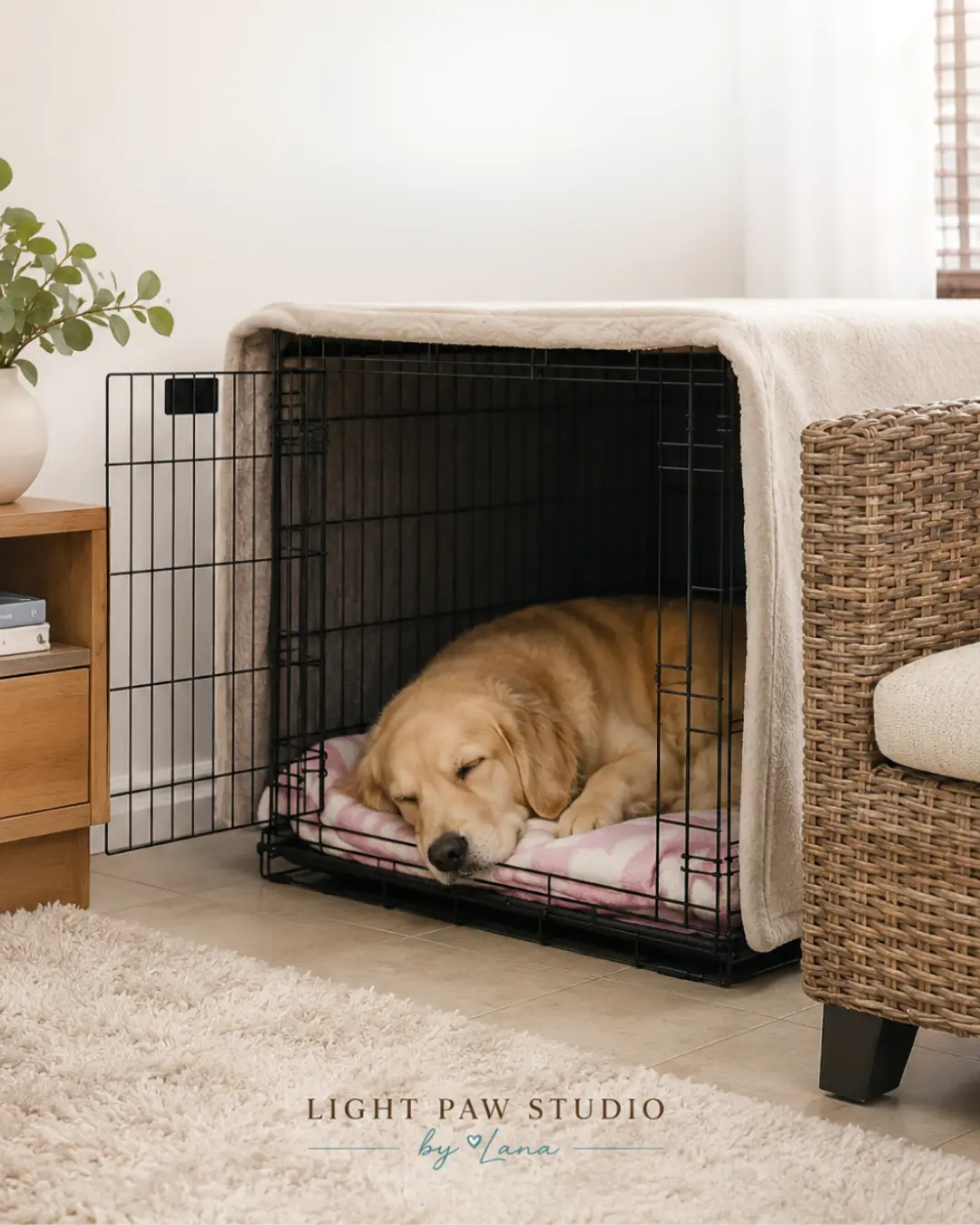
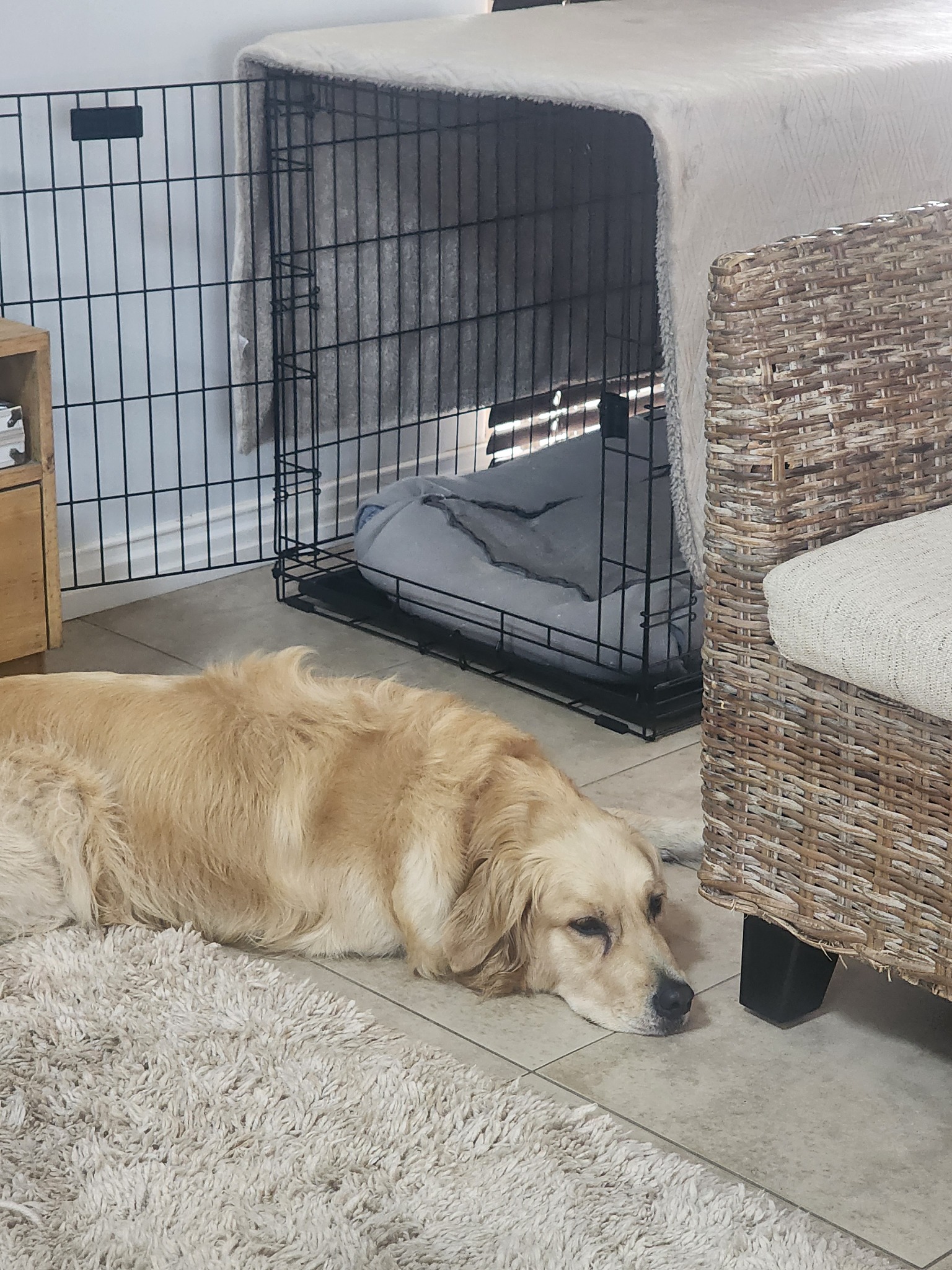
If you've just brought home a puppy, you already know the feeling: the excitement, the chaos, and then that first night where nobody really sleeps. From day one, I wanted Lana's crate to become her little bedroom, a familiar, quiet space where she could switch off and rest.
Some days she chose the crate. Other days she stretched out on the cool floor right beside it, and that was okay too. The goal was never perfection, it was helping the crate become an ordinary, comfortable part of home.
Looking back, the first week was the hardest part for both of us. She'd pace a little before settling, and I'd hover by the door longer than I probably needed to. But every night got a little quieter, and within a couple of weeks the crate stopped being something new and started being just hers, the spot she'd wander to on her own when she was ready to rest.
Everything worth having from day one
You really don't need a crate full of products. Each of these has one simple job.
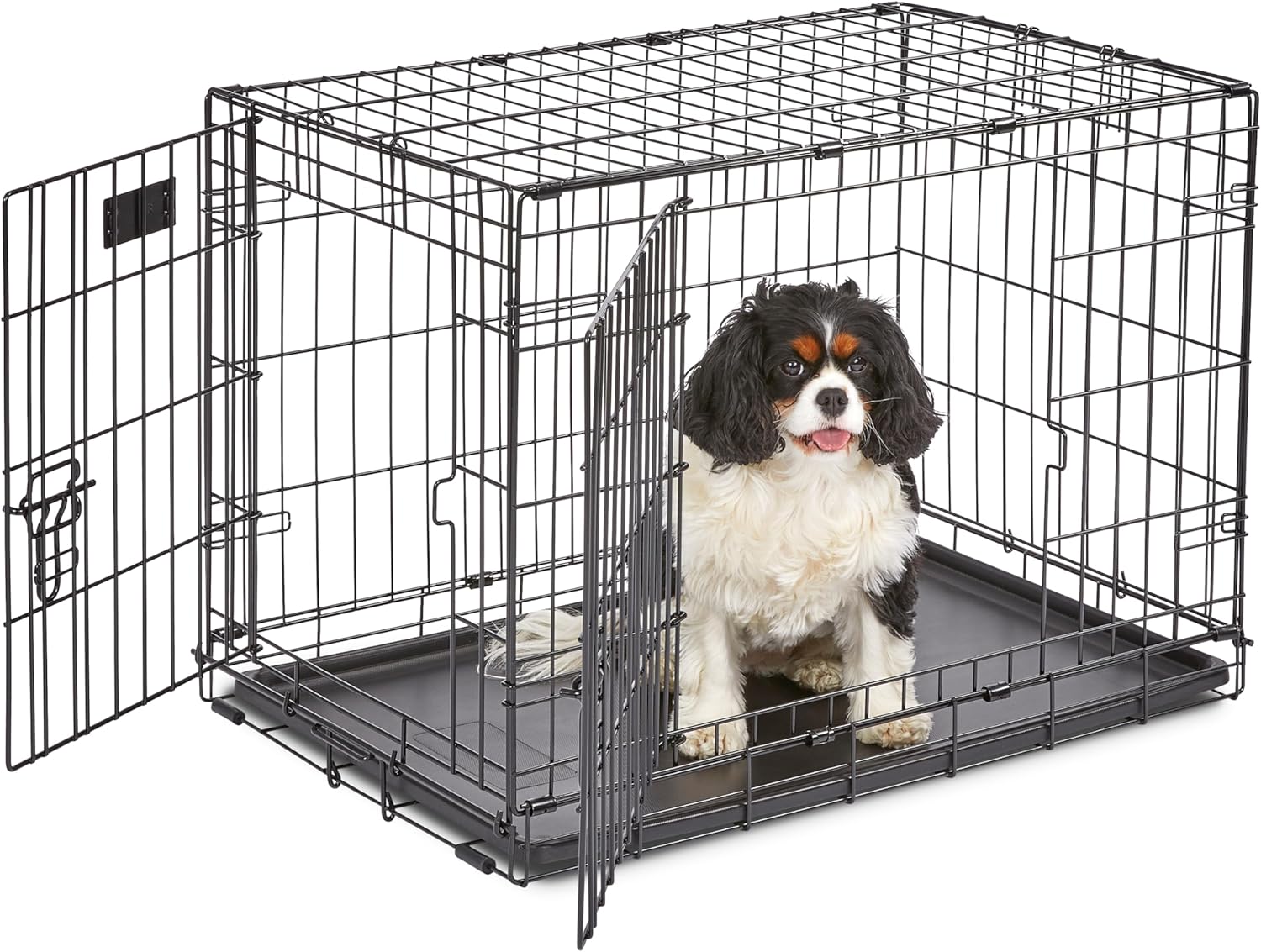
Wire crate + divider
Room to stand and rest, with a divider for growing puppies.
View on Amazon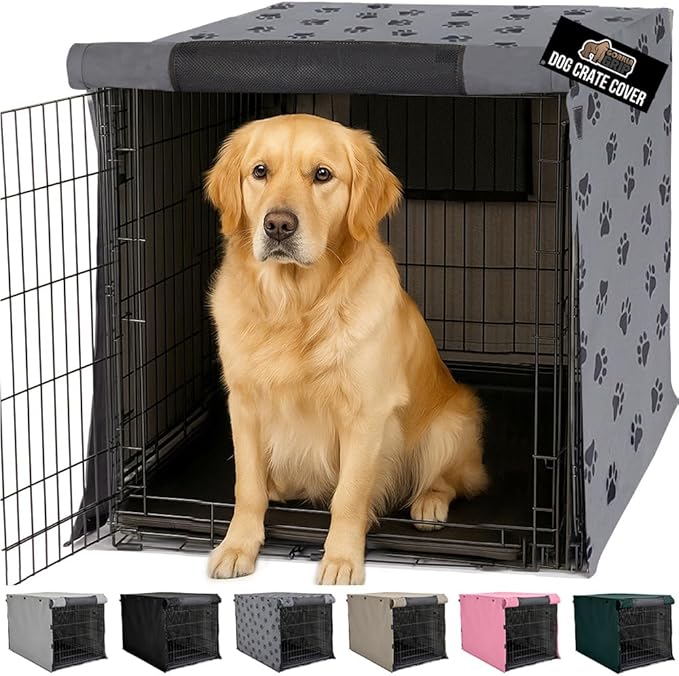
Breathable crate cover
Softens distractions while keeping the crate ventilated.
View on Amazon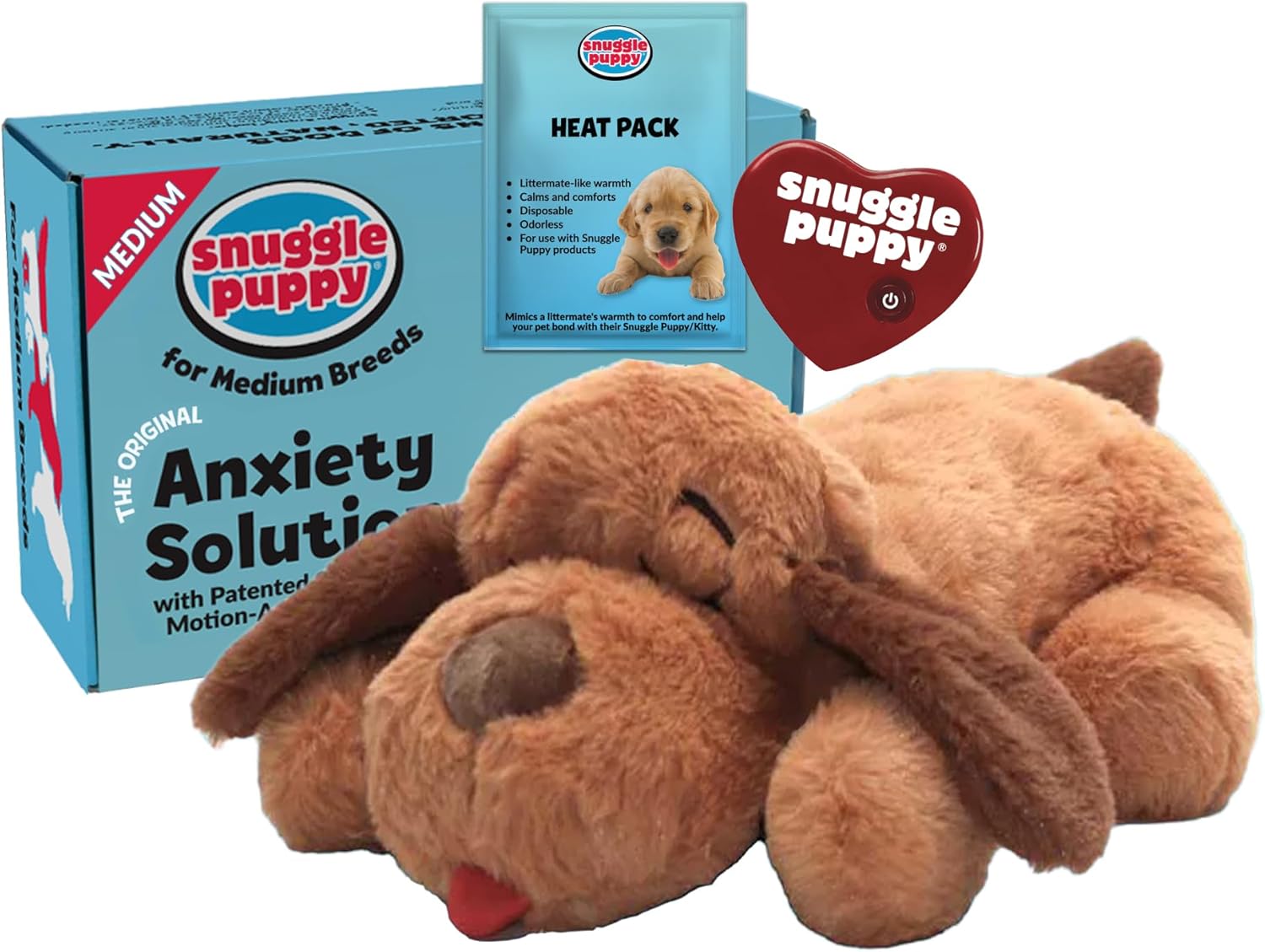
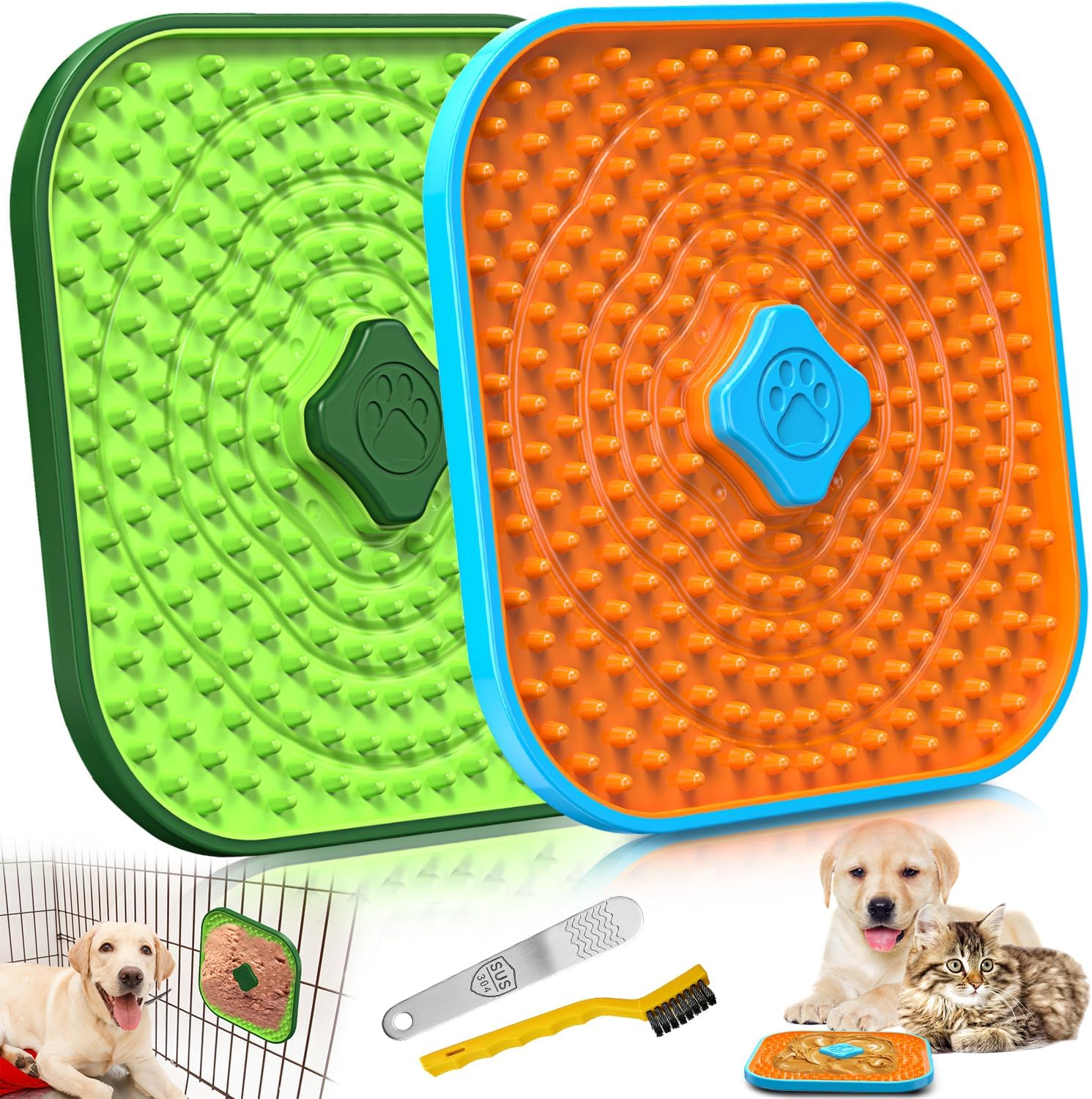
Crate lick mat
Something enjoyable so the crate predicts good things.
View on Amazon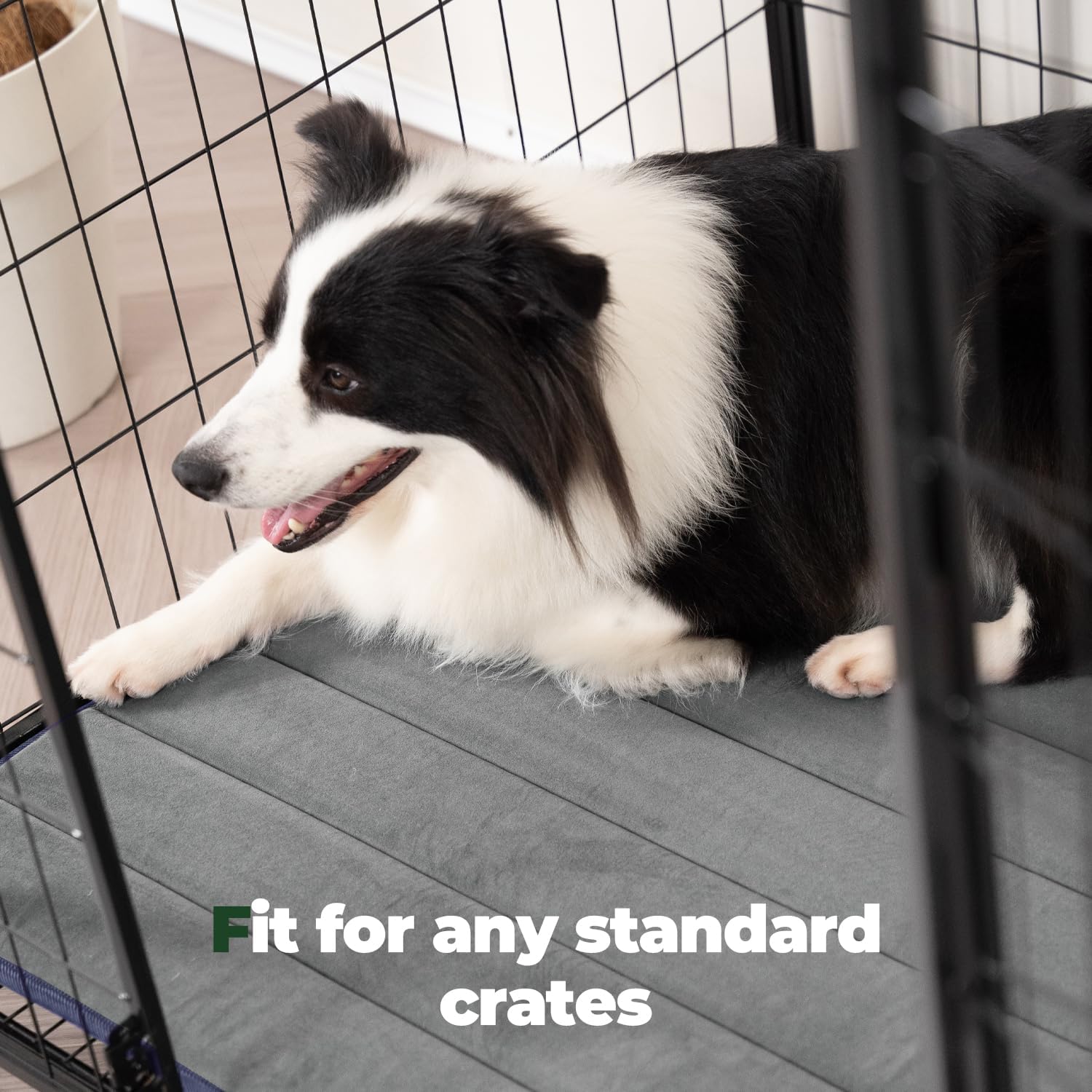
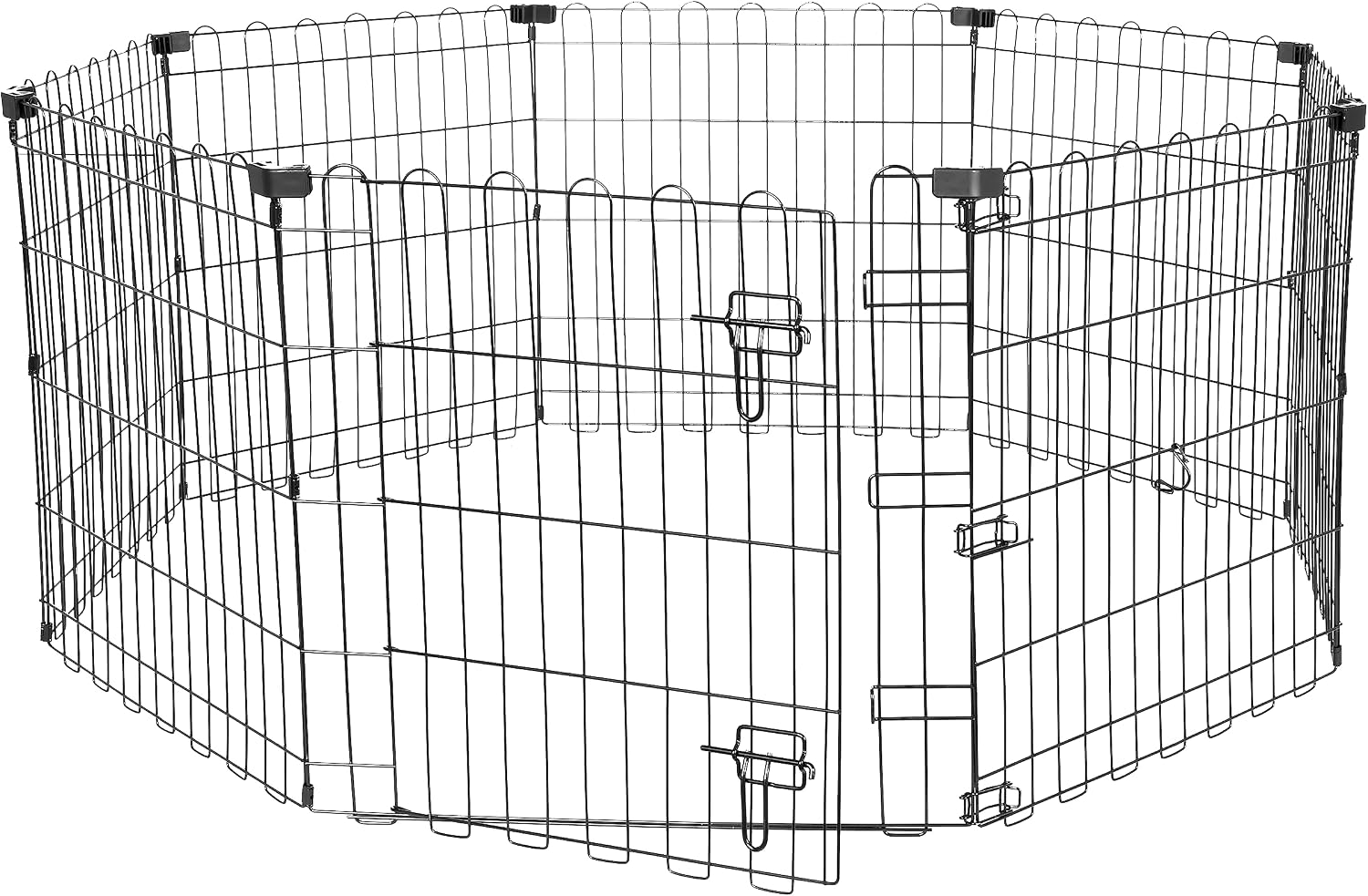
Puppy playpen
Pairs with the crate for a full containment setup during the day.
View on Amazon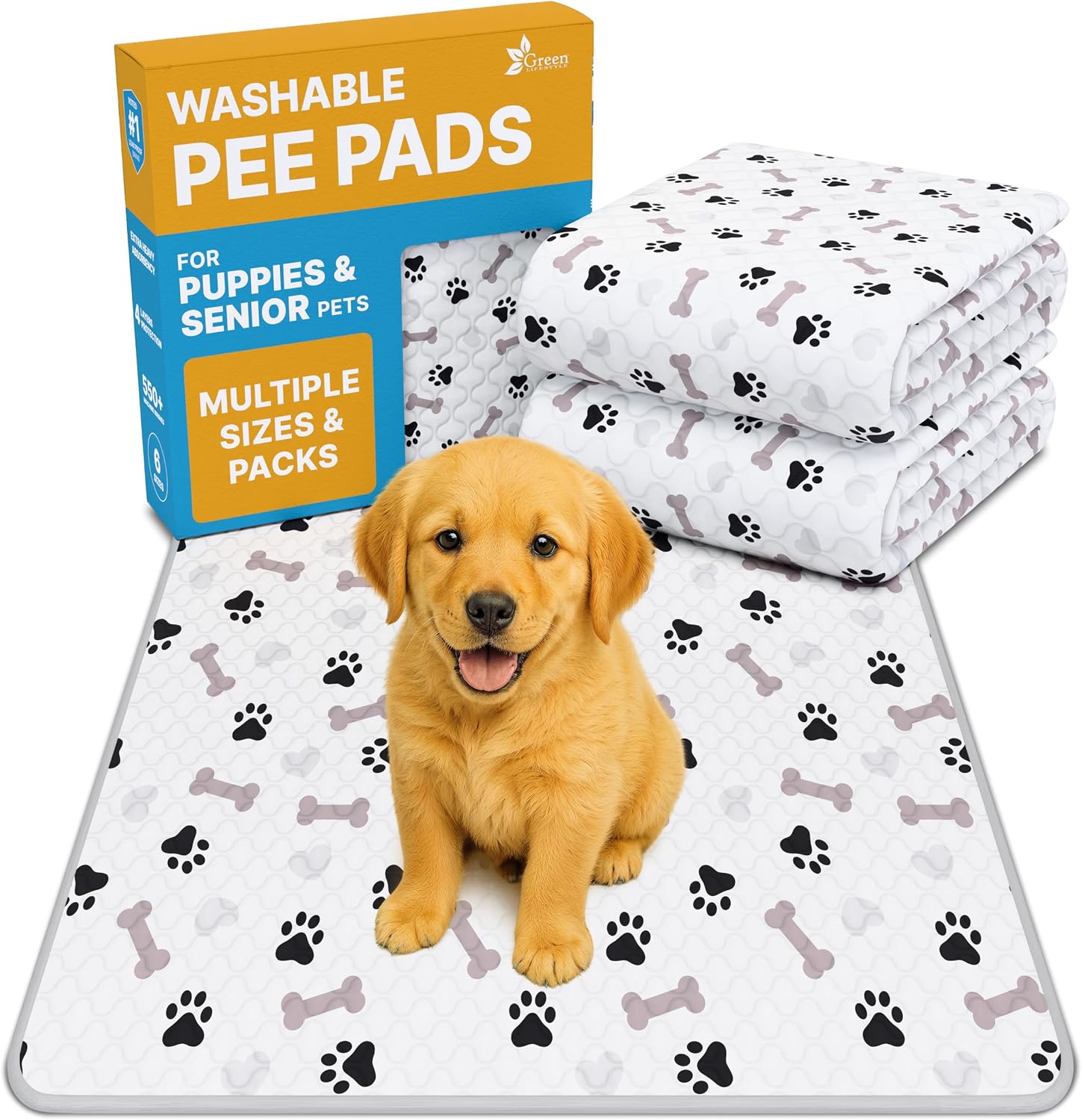
Washable puppy pee pads
Reusable, absorbent protection underneath during house training.
View on Amazon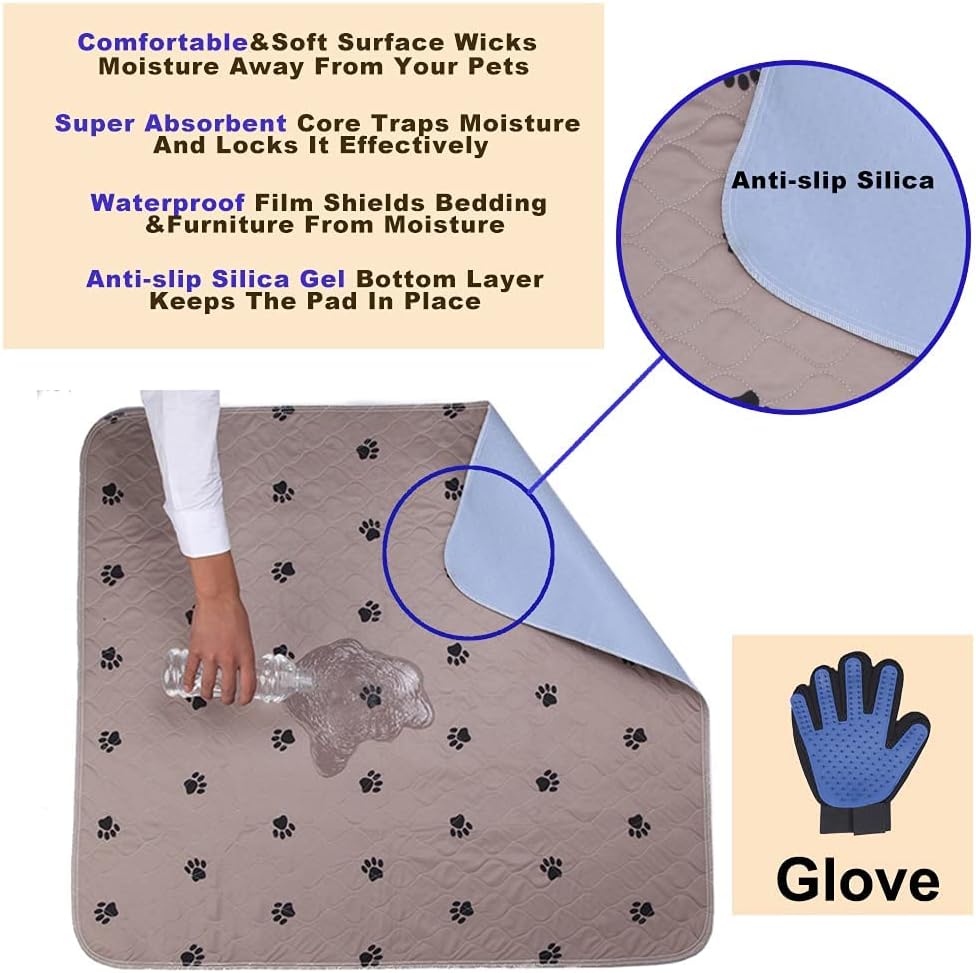
Non-slip washable pee pad
Absorbent, waterproof, and stays put under the crate.
View on Amazon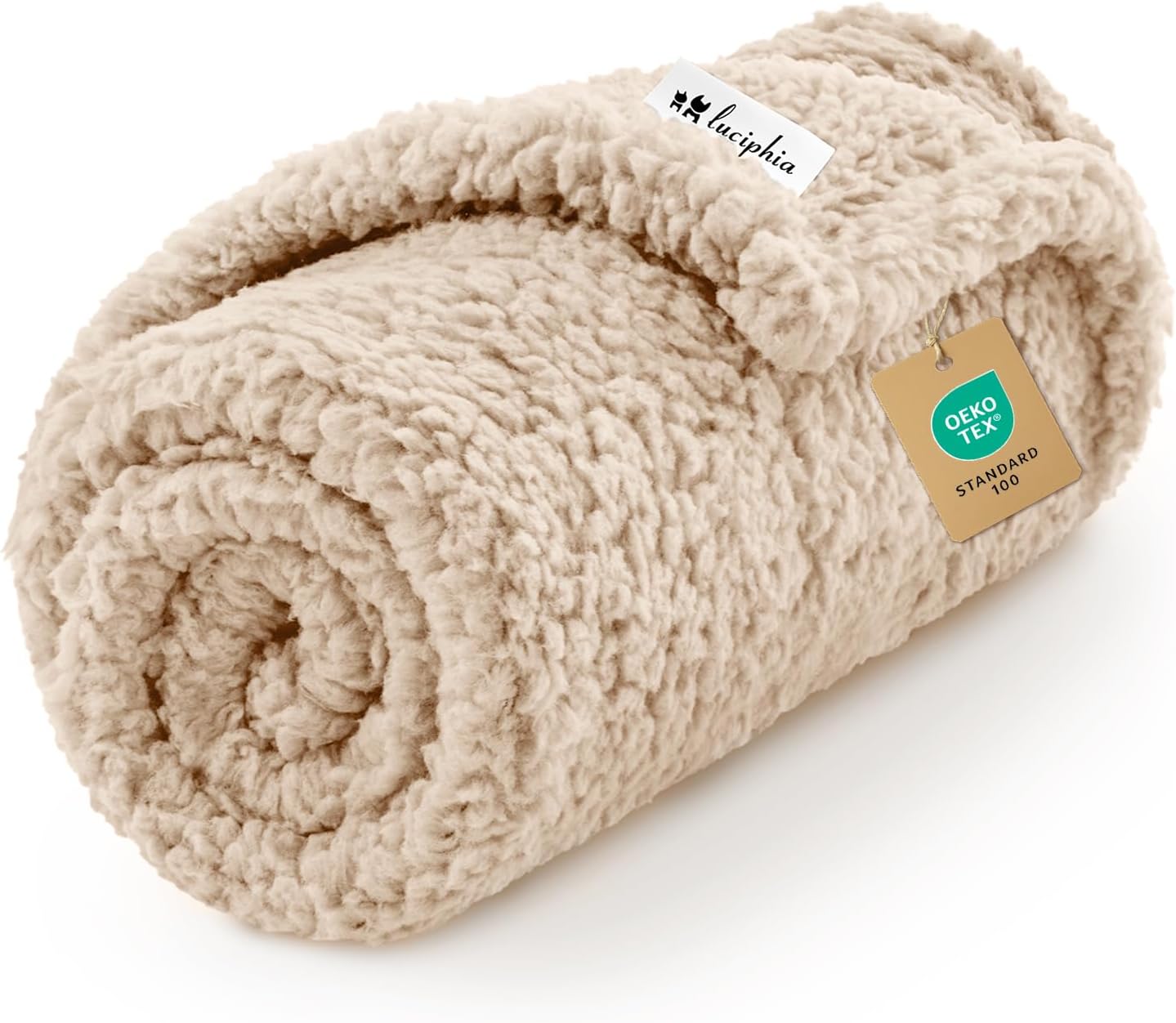
Sherpa crate blanket
A soft, plush layer to line the crate for extra comfort.
View on AmazonShop the full collection
Every crate training pick in one curated Amazon list.
Shop on AmazonThis post contains affiliate links. I may earn a small commission if you purchase through them, at no extra cost to you. I only share things I'd genuinely recommend. Read my full affiliate disclosure.
How I would introduce the crate
Think tiny steps rather than one big training session. If you're still weighing whether crate training is right for your dog, this honest guide is worth reading first.
Explore
Leave the door open and let your puppy investigate without pressure.
Add good things
Treats, meals or a favourite safe activity can happen around the crate.
Short rests
Start with brief calm periods while you are still nearby.
Build slowly
Increase time only when your puppy is comfortable at the current step.
"The crate should always feel like a bedroom, not a consequence. Get that right from day one, and everything else follows."
Don't expect perfection on night one.
Your puppy has just left everything familiar and arrived somewhere completely new. Keep the first nights simple and calm. If the whimpering feels like more than settling in, my separation anxiety guide walks through how to tell the difference.
- Give your puppy a toilet break right before bedtime.
- Keep the crate somewhere they don't feel completely isolated.
- Keep nighttime interactions quiet and boring, this isn't playtime.
- Expect that a young puppy will still need toilet breaks overnight.
- Give the process time. Most puppies settle faster than you'd expect.
Common crate training mistakes
Most crate training struggles come down to one of these four things.
Closing the door before your puppy feels comfortable can make the crate harder to enjoy.
Young puppies need frequent toilet, movement, play and connection breaks.
The crate should predict rest and safety, not trouble.
A little protest and genuine distress are not the same. If your puppy is escalating, make the step easier.
Keep the crate setup simple and safe. Be cautious with collars or harnesses that can catch on wire bars, items your puppy may shred or swallow such as loose fabric or stuffing, and anything they have not already used safely without supervision, especially left alone in the crate for longer stretches.
Crate training, done with patience and the right setup, is one of the best things you can give your puppy from the start. The products linked above are genuinely all you need, nothing more complicated than that.
What helped me most was changing the goal from "how do I get my puppy to stay in the crate?" to "how do I make this somewhere my puppy feels comfortable resting?" That small shift makes the whole process feel gentler. Take it slowly, never force it, and let your puppy set the pace.
If you're still on the fence about crating at all, read the honest guide here. And if your puppy struggles more than expected with time alone, my separation anxiety guide can help.
A quick note: I'm a dog owner sharing what worked for us, not a vet or certified trainer. If your puppy shows real distress in the crate, please check in with a qualified trainer or your vet.
Good to know
What do I need to start crate training a puppy?
The core essentials are a wire crate with a divider panel, a crate cover, a comfort toy for the first nights, and a crate lick mat to create positive associations. Together these create a space your puppy feels genuinely settled and comfortable in from day one.
When should I start crate training my puppy?
You can start on the very first day your puppy comes home, around 8 weeks old. Early introduction means the crate becomes familiar before any anxiety builds. Start with the door open, toss treats inside, and let your puppy explore at their own pace before closing the door for the first time.
How long can a puppy stay in a crate?
The widely used guideline is your puppy's age in months plus one hour, endorsed by the AKC, ASPCA and Humane Society. A two-month-old can manage around three hours; a three-month-old around four. Puppies have very little bladder control before roughly 16 weeks, so the schedule must respect those biological limits.
Why does my puppy cry in the crate?
Brief whimpering during the first few days is completely normal. Most puppies settle faster when the crate feels cosy and den-like, a cover, a soft bed, and a lick mat all help. Always wait for a quiet moment before opening the door; opening it during crying teaches your puppy that crying is how they get out.
Should I put a cover on my puppy's crate?
Yes, covering three sides creates a dark, enclosed den feeling that helps most puppies settle more quickly and sleep more deeply. Leave the front uncovered so they can see out. A proper crate cover works better than a blanket as it fits securely and allows better airflow.
You might also love

Should you crate train your dog? The honest guide
Myths busted, pros and cons laid out, and Lana's real story at age 3.
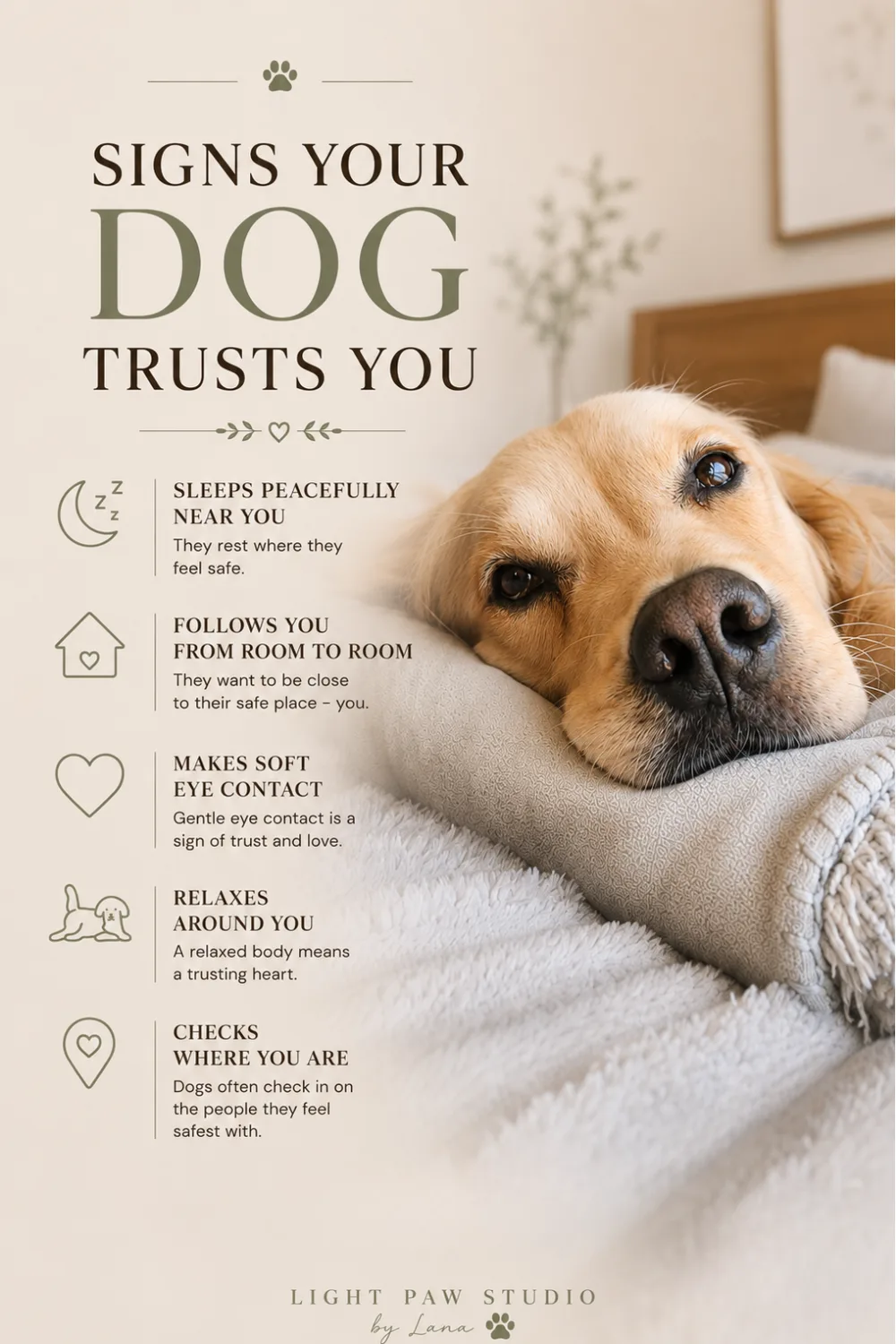
Signs your dog trusts you
Crate training done gently is one of the first real trust-builders.
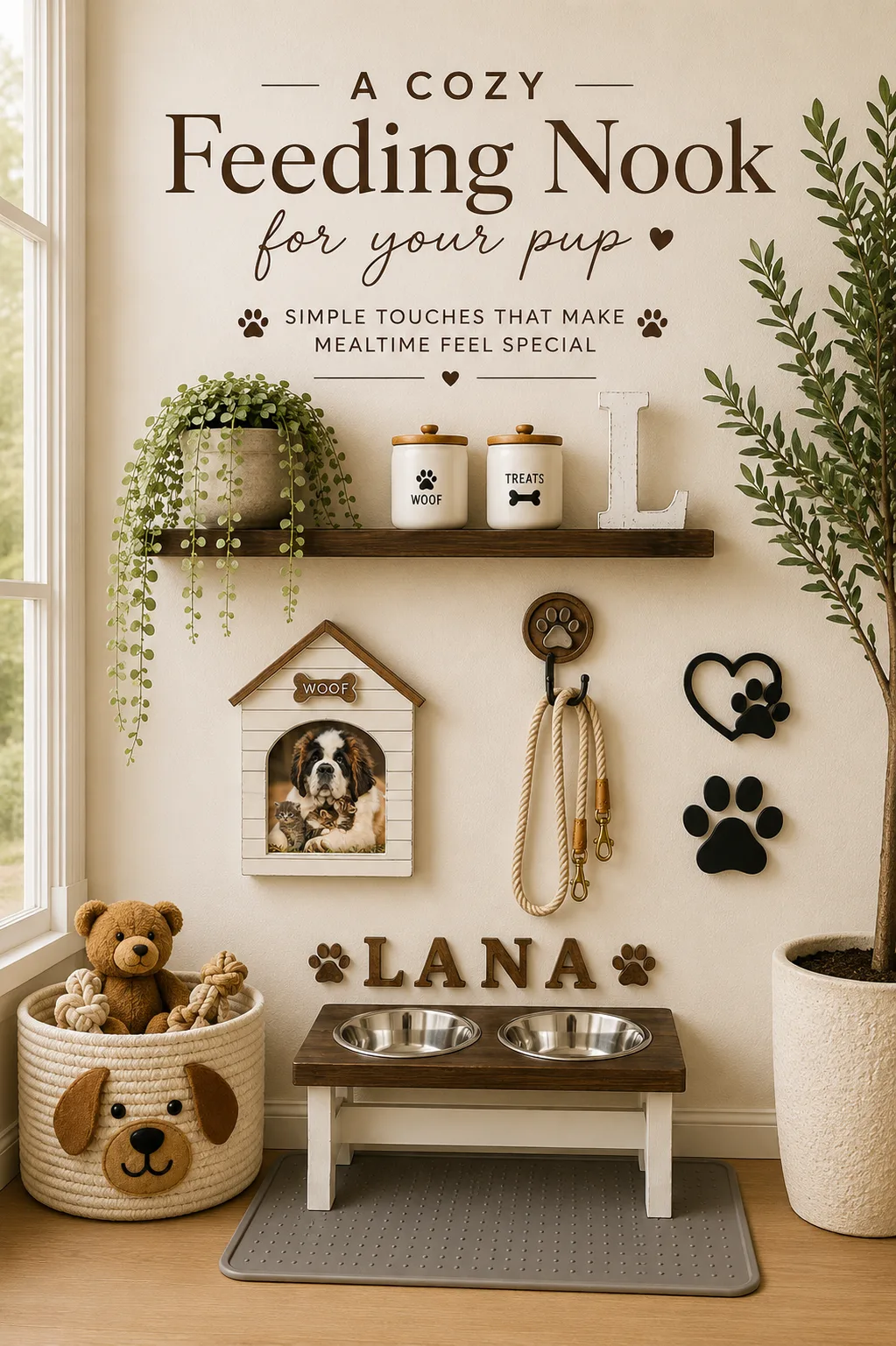
Cozy dog feeding nook ideas
A beautiful mealtime corner your dog will love, and you'll love looking at.