Enrichment  ·  6 min read  ·  June 10, 2026

Mealtime tips for dogs who eat too fast

Simple ways to slow down fast eaters, support better digestion, and turn every meal into a moment of calm enrichment.

You've probably seen it — the bowl hits the floor and three seconds later it's spotless. Your dog looks up at you, completely unbothered, as if nothing happened. It's almost impressive. But if your dog finishes a full meal in under a minute, it's worth slowing things down.

Even if your dog isn't a speed eater, switching to enrichment feeding tools is one of the best things you can do for mealtime. Lana has always eaten fairly calmly, but introducing slow feeders and snuffle mats made her mealtimes so much richer — slower, more satisfying, and genuinely more fun for both of us. If your dog is a fast eater, these tools make an immediate difference. And if they're not? They'll still love them.

This post contains affiliate links. I may earn a small commission if you purchase through them, at no extra cost to you. I only share things Lana and I genuinely use and love. Read full disclosure →
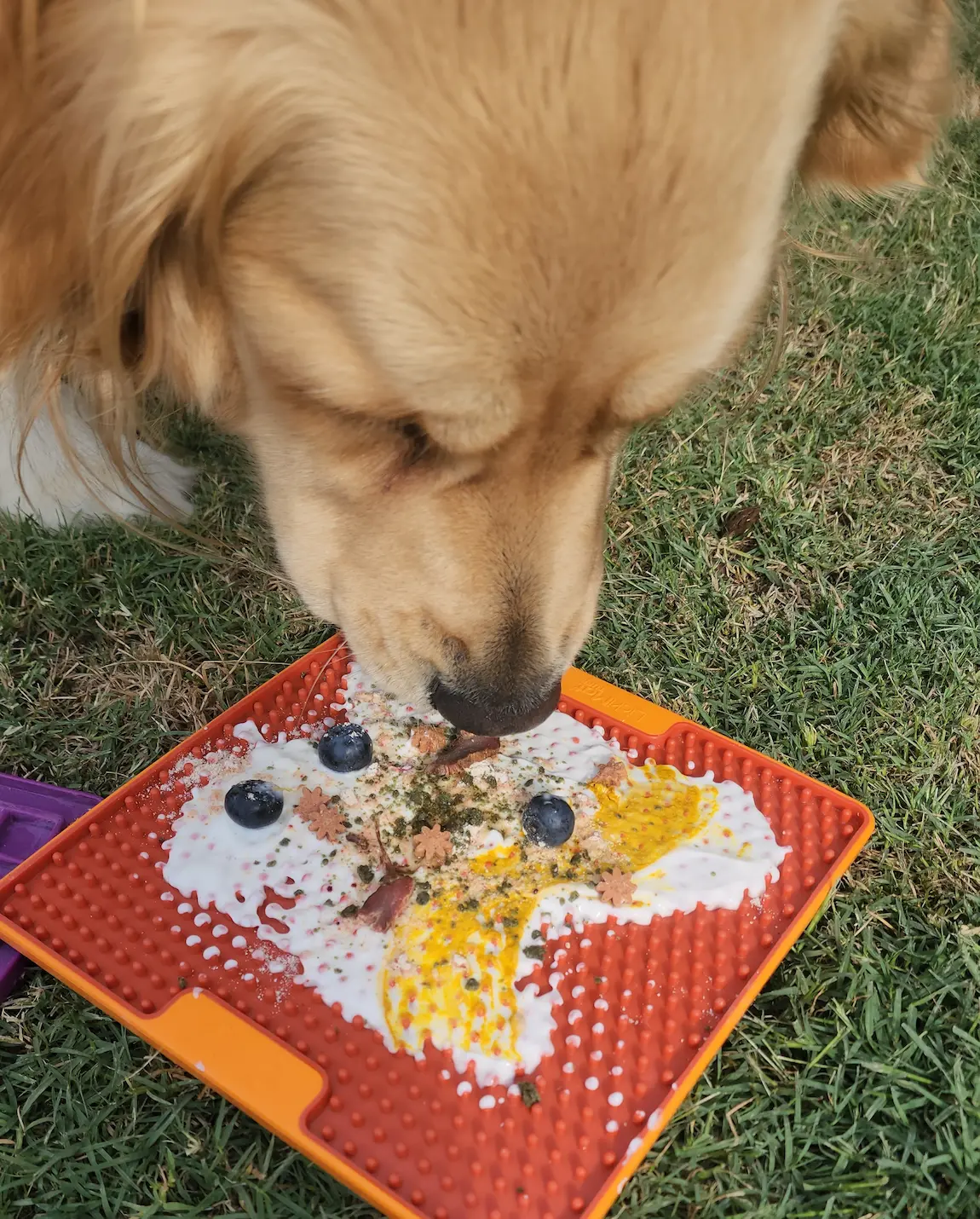
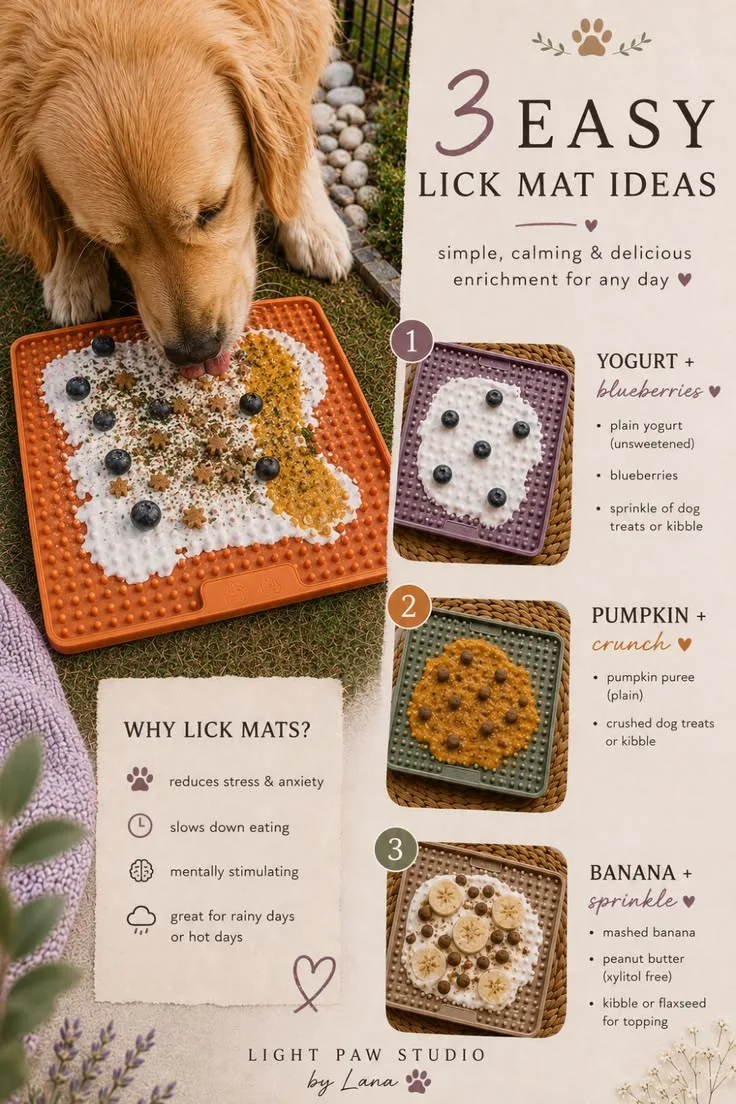
Lana enjoying a loaded lick mat on the grass
Lana enjoying a loaded lick mat after her meal — yoghurt, blueberries and a little turmeric. A simple way to add enrichment and keep things calm. ♡
Why it matters

What happens when dogs eat too fast

Fast eating isn't just bad manners — there are real health risks worth understanding.

01
Bloat & GDV risk

Fast eaters have five times the risk of developing bloat (GDV) compared to slow eaters, according to the AKC. In large, deep-chested breeds this is especially serious — GDV can become life-threatening within hours and requires emergency surgery.

02
Choking & vomiting

Unchewed kibble can lodge in the throat, and swallowing air causes gas and discomfort. Many fast eaters vomit shortly after meals simply because the food went down too fast for the stomach to cope.

03
Stress around food

Speed eating is often linked to food anxiety — dogs that eat quickly may feel more food-guarding behaviour, restlessness after meals, and general dissatisfaction. Slowing things down has a genuinely calming effect on the whole experience.

The slow-down toolkit

Five tools that make a real difference

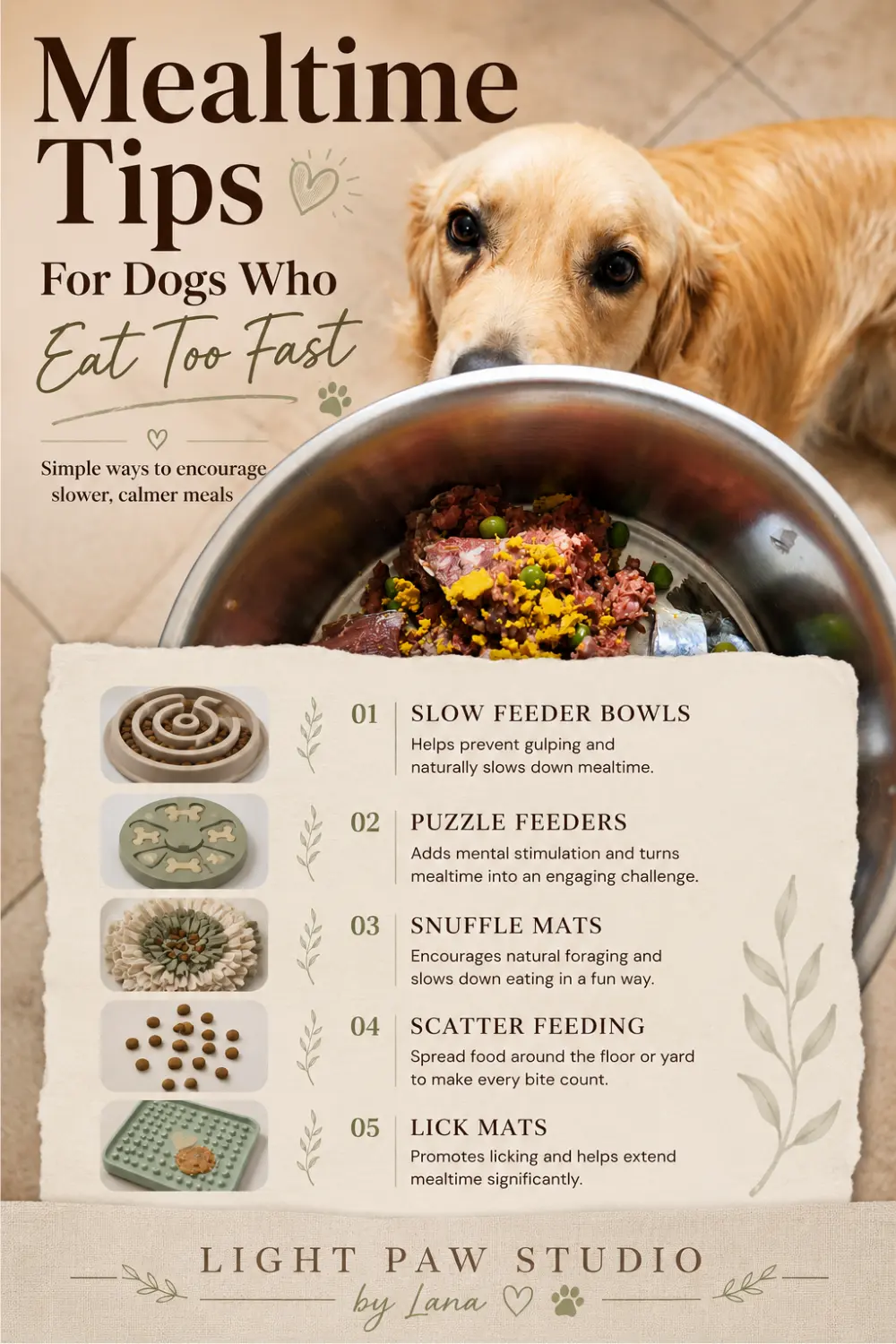
Each one slows eating in a different way — try one, or rotate through all five.

01 — The essential

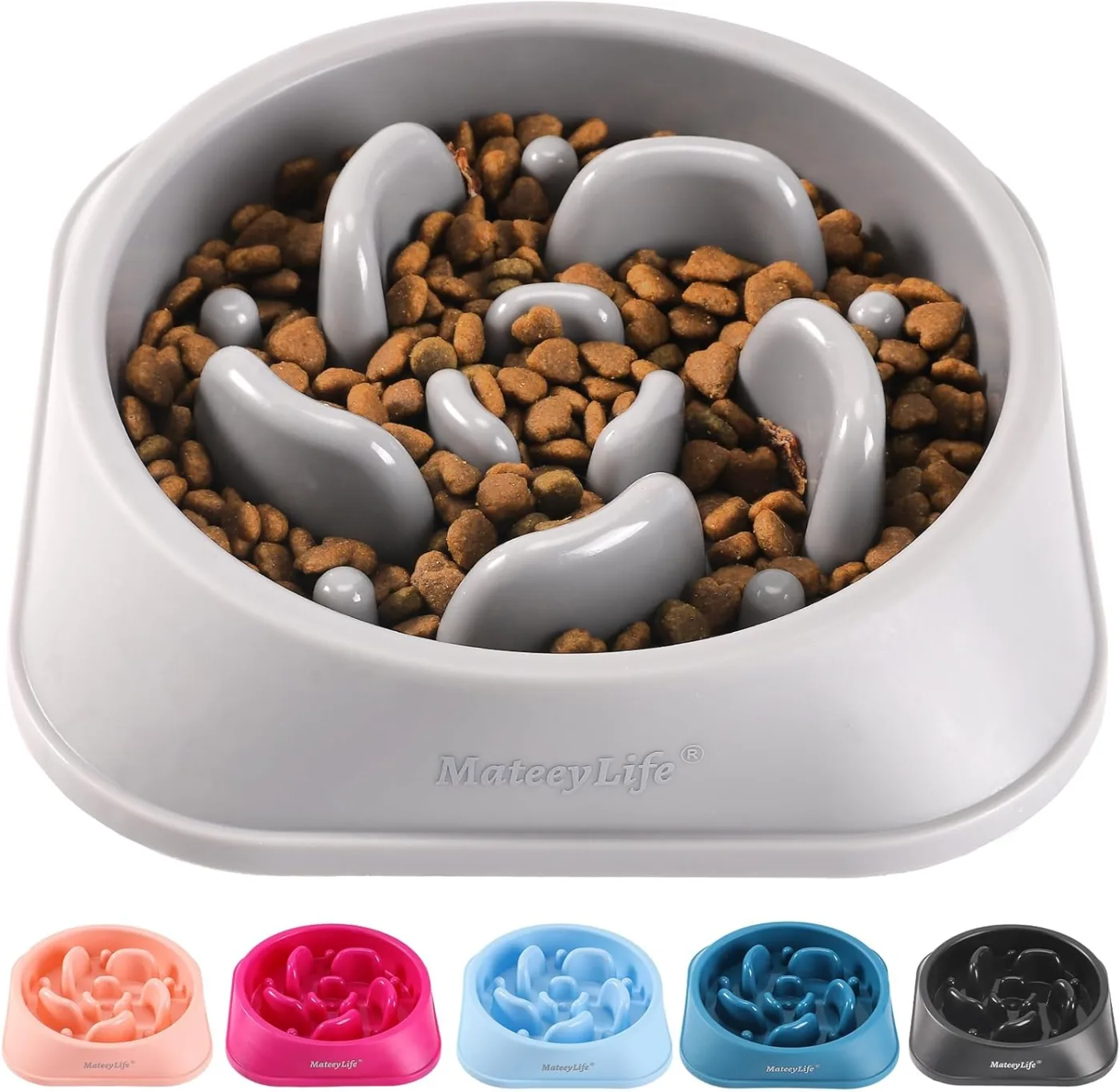
Slow Feeder Bowl

Maze-style ridges prevent gulping and naturally extend mealtime — the single most effective daily tool for fast eaters.

View on Amazon
02 — Brain work

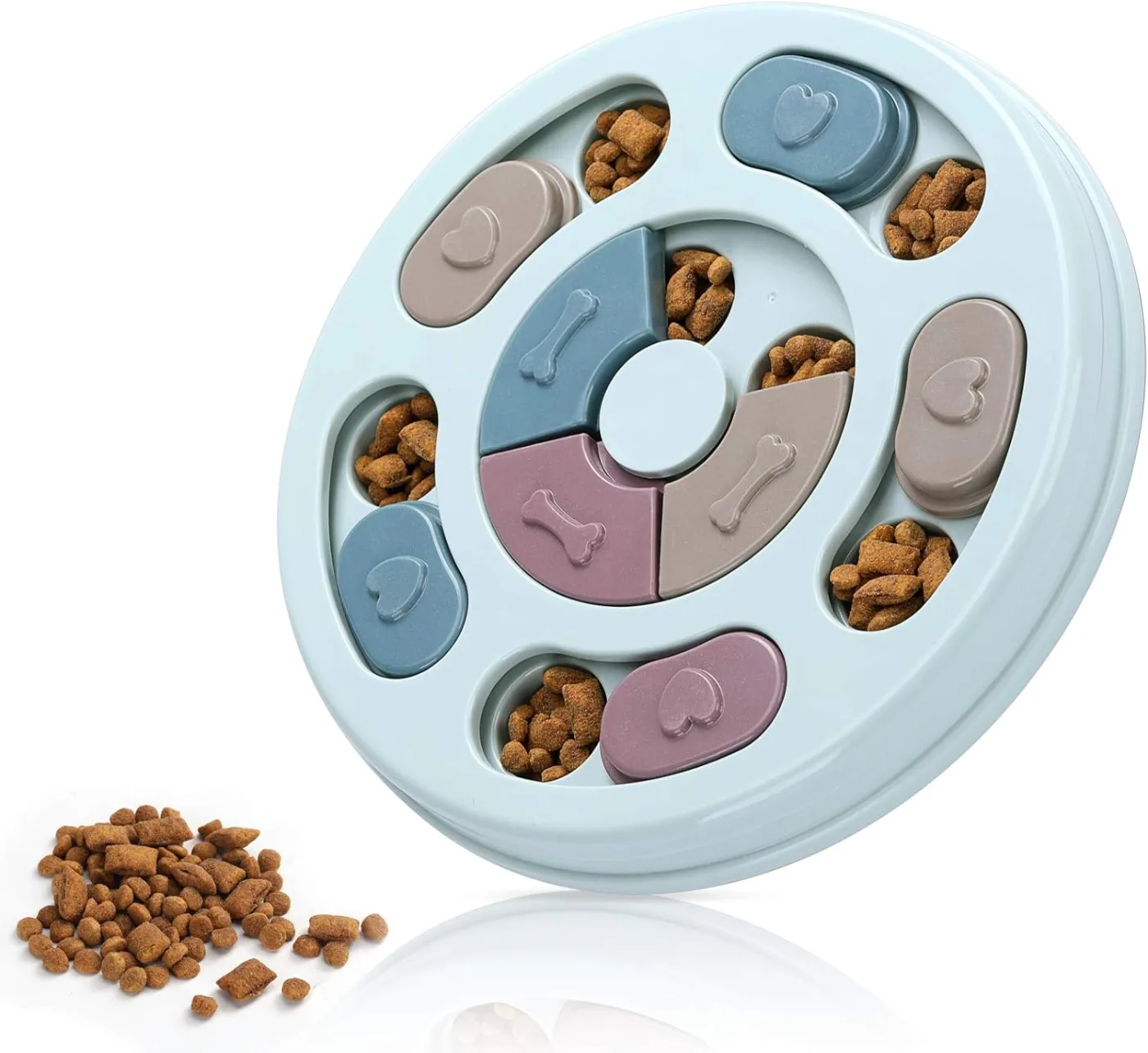
Puzzle Feeder

Sliding and spinning compartments turn mealtime into a gentle challenge — slows eating and adds the kind of mental stimulation that tires a dog out properly.

View on Amazon
03 — Natural foraging

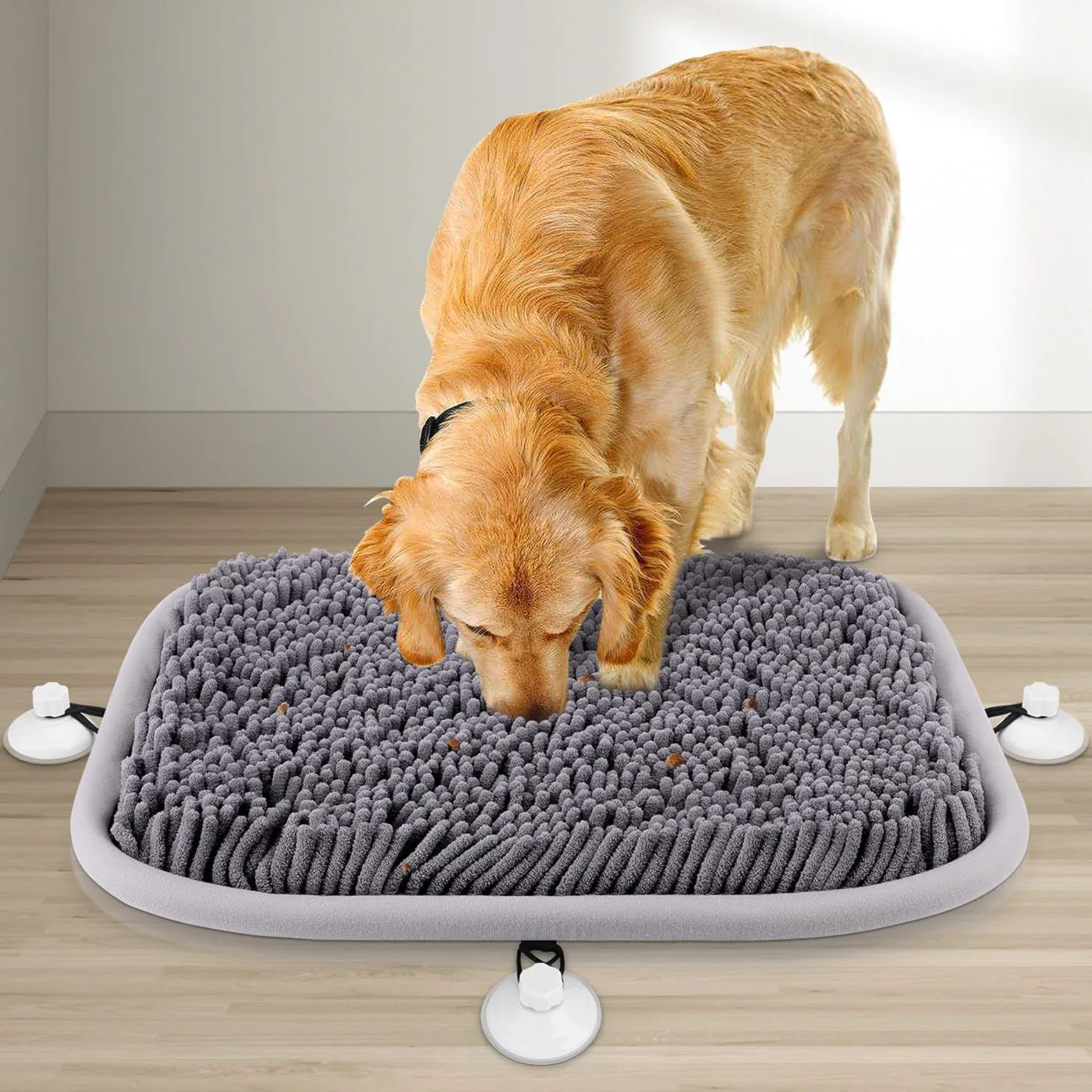
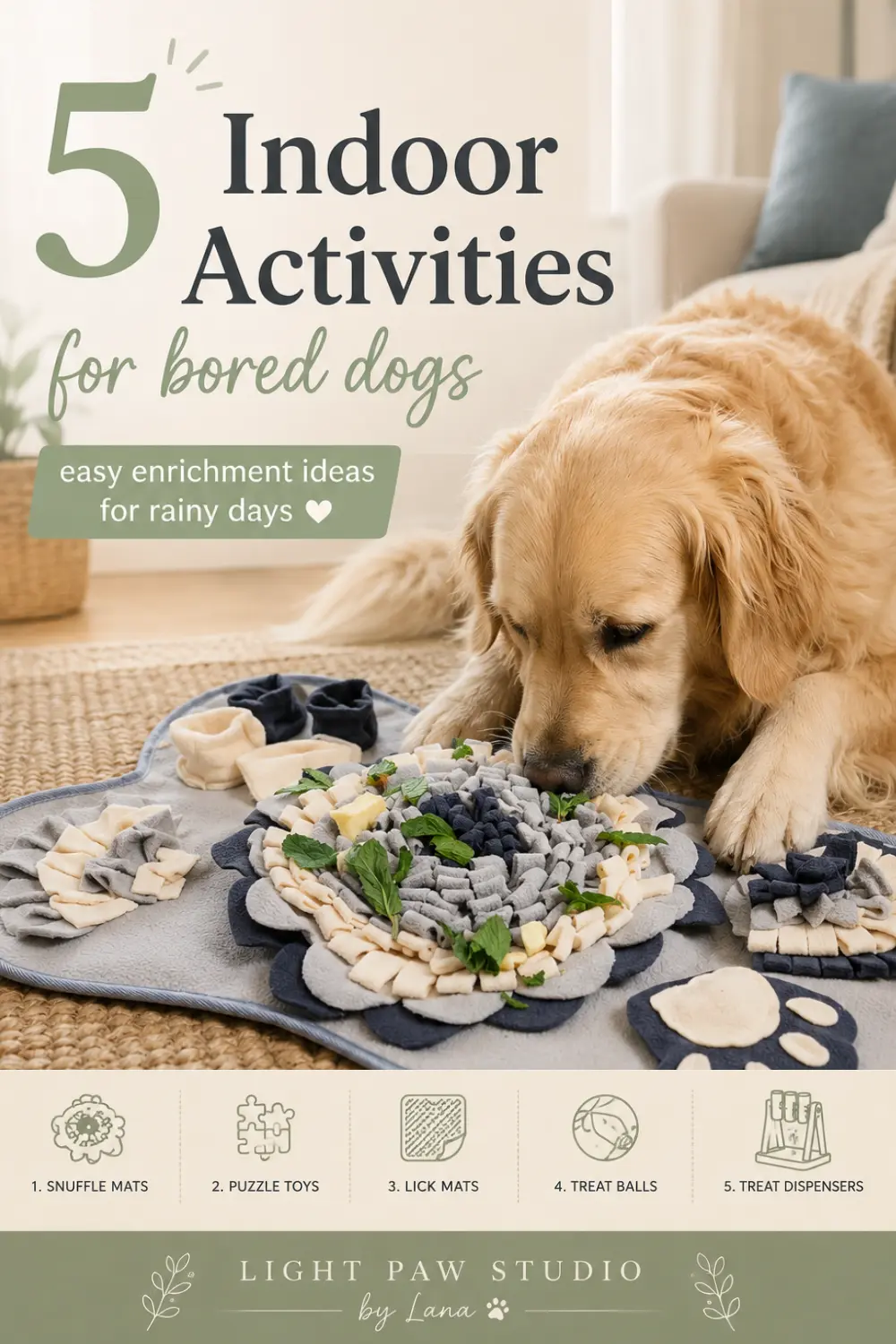
Snuffle Mat

Hides kibble in soft fabric strips so your dog has to sniff and forage for every bite — deeply calming and one of the best scatter-feeding tools available.

View on Amazon
04 — Slow & soothing

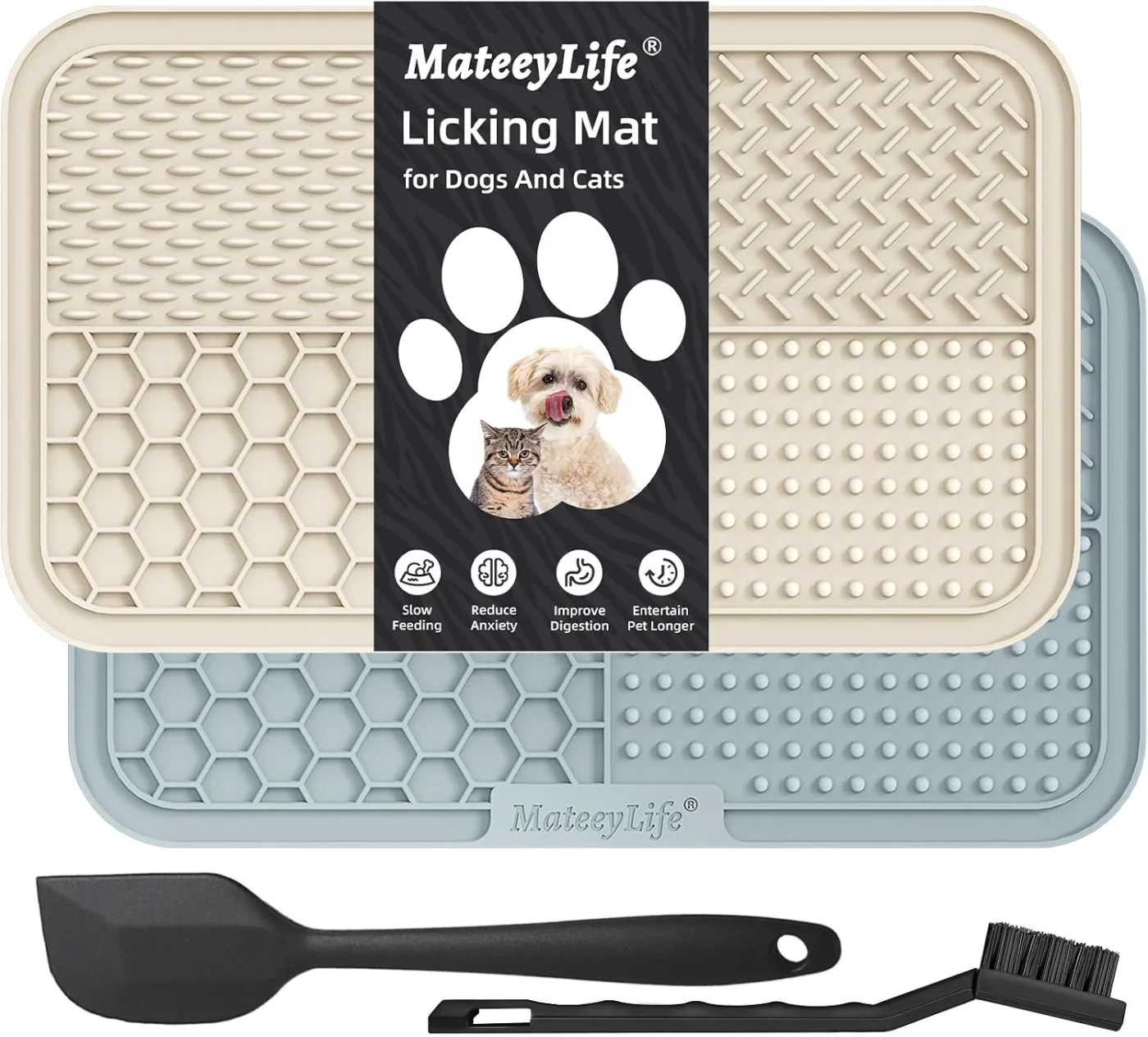
Lick Mat

Spread wet food, yoghurt or pumpkin across the textured surface and watch mealtime stretch from seconds to minutes — calming, satisfying and enriching all at once.

View on Amazon
Morning & Evening
05 — Free habit

Split Into Two Meals

Feeding two smaller meals instead of one large one cuts bloat risk in half — one of the simplest and most effective changes you can make today.

No product needed ♡
06 — Alternative style

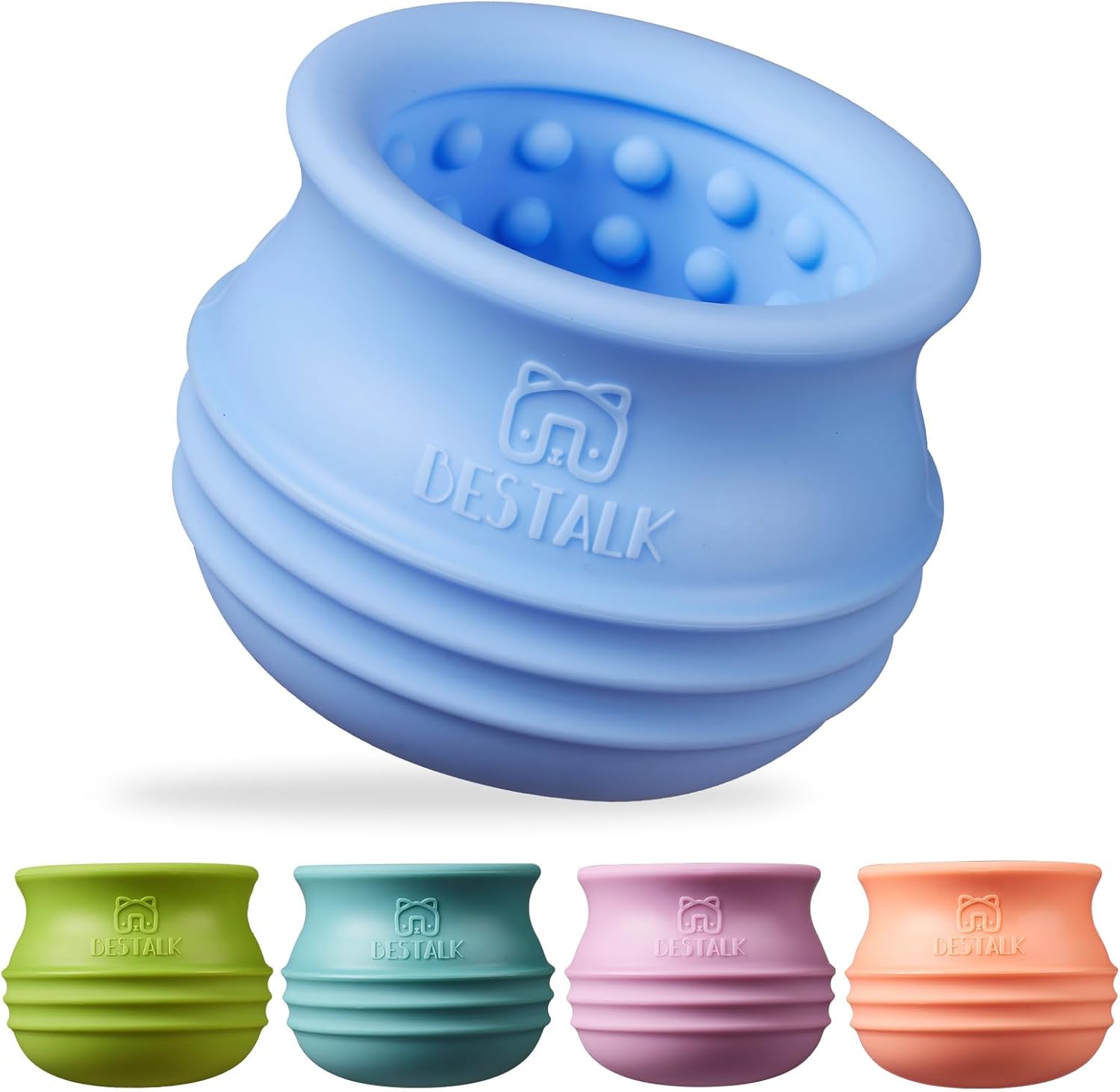
Round Slow Feeder Bowl

A rounded silicone bowl with raised bumps — a gentler maze style for dogs who find flat ridged bowls tricky. Comes in five colours and is easy to clean.

View on Amazon
07 — Fits any bowl

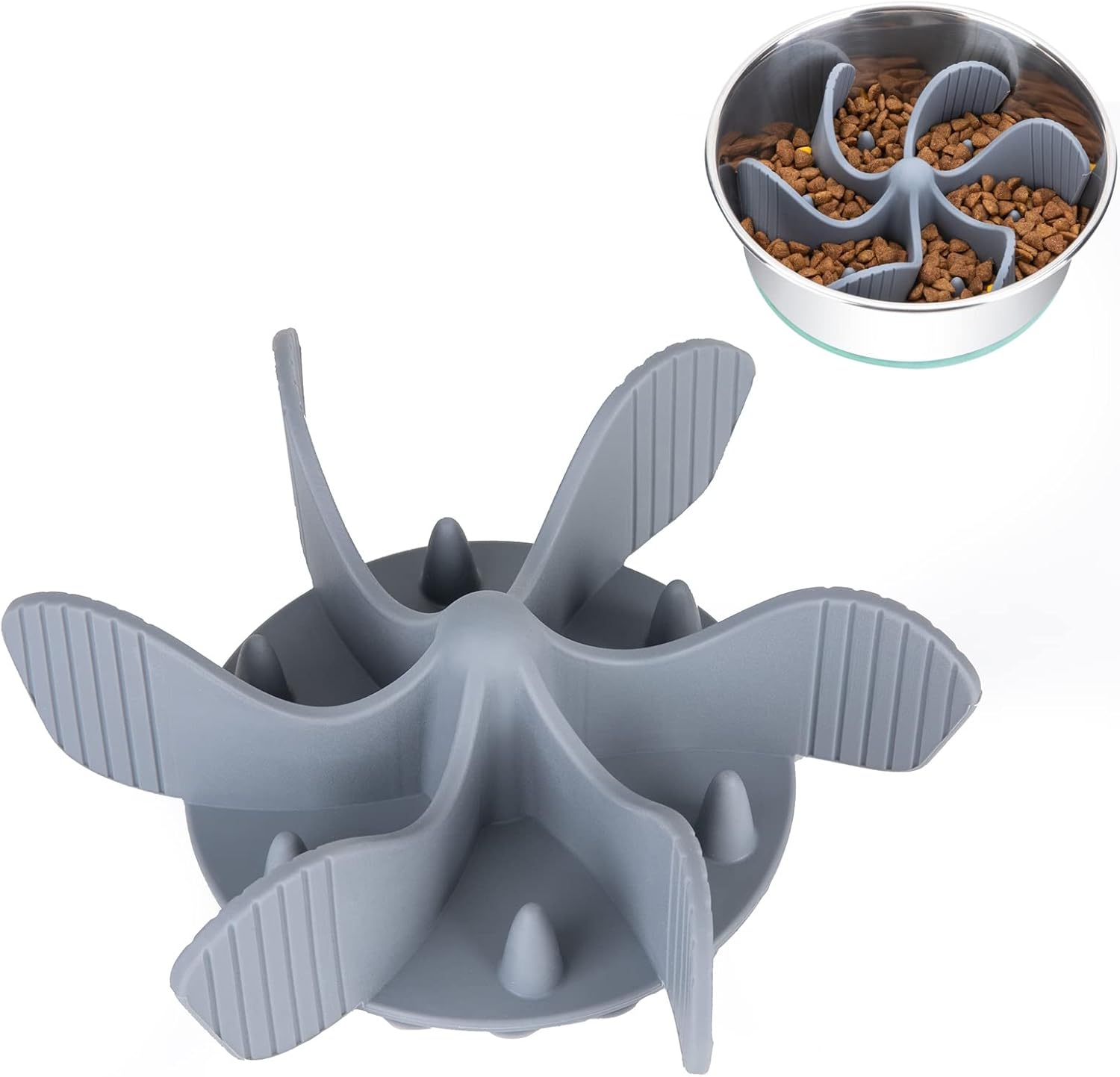
Slow Feeder Bowl Insert

A silicone flower-shaped insert that drops into your existing bowl — no need to replace anything. Divides kibble into sections so your dog has to work around each petal.

View on Amazon
see all picks
Full collection

Shop the full collection

All five picks in one curated Amazon list.

Shop on Amazon
How to use them well

Getting the most from each tool

A few small habits that make these tools work even better for your dog.

Slow Feeder Bowl

Making the switch from a regular bowl

  • Use it at every meal — consistency builds the habit
  • Wet the kibble slightly at first if your dog finds it frustrating
  • Try different ridge patterns to keep things interesting
  • Feed on the floor, never from an elevated stand (vets advise this)
Snuffle Mat & Scatter

Turning a meal into a foraging session

  • Scatter kibble across the mat rather than piling it in one spot
  • Place on a non-slip surface to keep it stable while your dog works
  • Scatter feeding on grass outside is a brilliant warm-weather option
  • Even 5–10 minutes of sniff-based foraging genuinely tires a dog out
  • Best with dry kibble or treats — not suitable for raw food
Lick Mat

Using a lick mat as part of the meal

  • Spread wet food, plain pumpkin or yoghurt into the grooves
  • Freeze it overnight to extend the session to 15–20 minutes
  • Use as part of the meal portion — not just as a bonus treat
  • Perfect for dogs who need to slow down and decompress after a walk
A slower mealtime isn't just safer — it's calmer, more satisfying, and turns something your dog does twice a day into a genuine moment of enrichment.
From Life With Lana  ♡
At a glance

Six simple ways to slow things down

You don't need to do all of these at once. Start with one change and build from there.

01
Feed two meals a day

Split the daily portion into morning and evening — dogs fed one large meal are twice as likely to develop bloat

02
Switch to a slow feeder

Use it at every meal, not just occasionally — the maze ridges make gulping physically impossible

03
Add a puzzle feeder

A few times a week, let your dog work for their food — the mental effort is deeply satisfying and genuinely tiring

04
Try scatter feeding

Sprinkle kibble across a snuffle mat or on grass outside — natural foraging at its simplest

05
Finish with a lick mat

A frozen lick mat at the end of a meal extends calm, slow eating for another 10–20 minutes

06
Keep mealtimes calm

In multi-dog homes, feed separately — competition is one of the biggest drivers of speed eating

Mealtime is something your dog does every single day. It doesn't have to be something that happens in a blur. With the right tools, it can be slow, calm and genuinely enriching — the kind of thing your dog actually looks forward to rather than just frantically inhales.

Your dog doesn't need all five tools at once. A slow feeder bowl is the easiest place to start, and for many dogs it makes an immediate difference. From there, a snuffle mat or puzzle feeder a few times a week adds variety that keeps mealtimes fresh — and keeps a busy brain occupied. Try it with your pup and see which approach they love most.

A gentle safety note: if your dog shows signs of bloat after eating — a distended stomach, unproductive retching, restlessness or distress — seek emergency veterinary care immediately. GDV can progress quickly. If you have a large or deep-chested breed, it's worth discussing the risk with your vet, and asking about preventative options if appropriate. Always rest your dog for at least an hour before and after meals — no vigorous exercise right before or after eating.

If you try any of these, I'd love to see your pup's mealtime setup. Come find us on Instagram at @lana.thegoldenretriever — Lana is a big fan of the snuffle mat and an even bigger fan of the frozen lick mat. ♡

Common questions

Good to know

Why does my dog eat so fast?

Fast eating is often instinctive — rooted in survival behaviour where dogs in the wild competed for food. In multi-dog homes, competition at mealtimes can make it worse. Some dogs also eat quickly due to anxiety, a history of food scarcity, or simply because they've always been fed this way and have never been encouraged to slow down. The good news is that with the right tools, it's one of the easiest habits to change.

Is eating too fast actually dangerous for dogs?

Yes. Fast eating increases the risk of choking, vomiting, and bloat (GDV — gastric dilatation-volvulus). According to the American Kennel Club, fast eaters have five times the bloat risk compared to slow eaters. GDV is particularly serious in large, deep-chested breeds — it can become life-threatening within hours and requires emergency surgery. Slowing mealtime is one of the most effective preventative steps you can take.

Do slow feeder bowls actually work?

Yes — slow feeder bowls are consistently rated as the most practical daily tool for fast eaters. The raised ridges and maze patterns physically prevent a dog from gulping large mouthfuls at once. Most dogs adjust within a few meals. If yours finds it frustrating at first, slightly wetting the kibble can help ease the transition. Using it at every meal (not just occasionally) is what builds the habit.

Should I use an elevated food bowl for my dog?

Current veterinary guidance — including from Washington State University's Veterinary Teaching Hospital — recommends avoiding elevated feeding bowls. Research has found that raised bowls may increase the risk of bloat, particularly in large and giant breeds. Feeding from the floor is the safer and recommended option for most dogs.

How many meals a day should I give my dog?

Most adult dogs do well with two smaller meals per day rather than one large one. Dogs fed a single large daily meal are twice as likely to develop bloat according to the AKC. Splitting the daily portion into morning and evening meals reduces the amount eaten at one sitting, naturally slowing gulping and supporting better digestion. Check with your vet if you're unsure what's right for your dog's age, breed and size.

What is the easiest first step to take?

Switching to a slow feeder bowl is the simplest and most immediate change you can make. It requires no extra time or preparation, works with any kibble, and most dogs adapt quickly. From there, adding a snuffle mat or puzzle feeder a few times a week builds naturally on the habit — making mealtime slower, calmer, and more enriching over time.

Follow along with Lana

Cozy corners, everyday moments and life with a golden retriever — all on Instagram.

Follow @lana.thegoldenretriever